
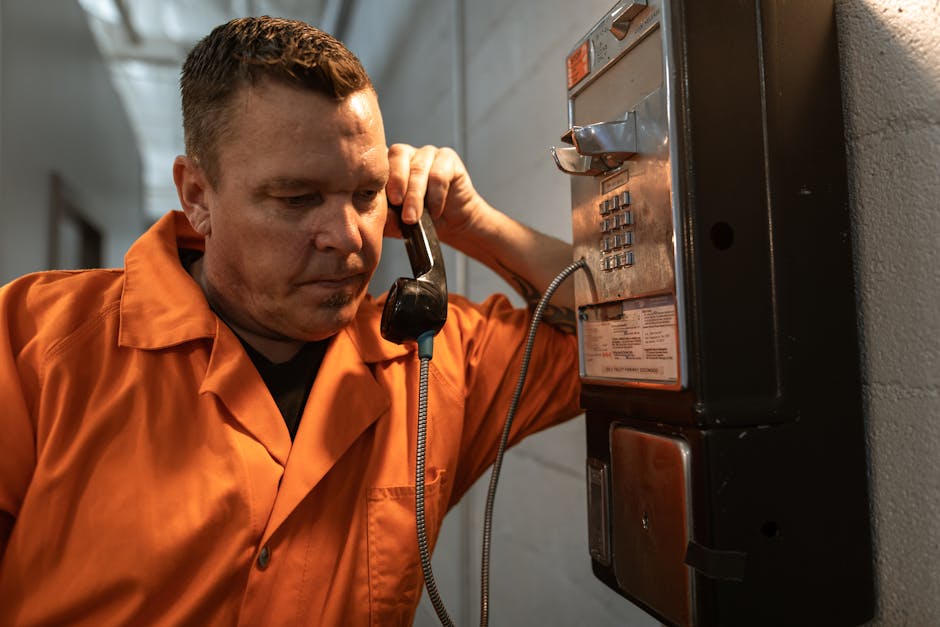
In an increasingly interconnected world, the importance of communication cannot be overstated, particularly for those incarcerated. Recent developments reveal a growing trend across the United States: an expansion of free phone calls and communication services for incarcerated individuals. This pivotal shift, championed by various advocates—including nonprofits like Worth Rises—underscores the broader implications for family unity, prison conditions, and reentry processes.
Data from the Worth Rises report highlights that numerous states and even various local facilities are transitioning towards providing free communication services, significantly reducing barriers for family contact. Access to free calls not only strengthens familial bonds but is also posited to improve mental health outcomes for incarcerated individuals. These benefits directly align with findings from several studies indicating that maintaining communication with family members while incarcerated can reduce rates of recidivism—a critical factor in ensuring public safety.
In Missouri, this trend is particularly relevant given the state’s current discussions surrounding prison reform. With recent legislative measures focusing on rehabilitation instead of mere incarceration, providing free communication services aligns seamlessly with the goal of easing the reentry process for those released from prison. The data indicates that individuals who maintain solid connections with family members are less likely to reoffend, suggesting that investment in communication services may ultimately lead to enhanced community safety and reduced costs tied to recidivism.
Moreover, the expansion of these services can positively impact prison conditions. With clearer channels of communication, the likelihood of disturbances within facilities may diminish as inmates feel less isolated. This holistic view of the prison ecosystem also allows for better resource allocation by reducing operational challenges that arise from overcrowded visiting hours or strained communication systems.
Two core insights emerge from the rising availability of free prison calls: first, the strategy directly addresses the psychological needs of incarcerated individuals, creating a healthier environment conducive to rehabilitation. Second, it provides a clear path towards integrating returning citizens into the community, thereby amplifying their chances of successful reentry—a critical aspect of reducing long-term imprisonment costs, which ultimately affects taxpayer funds.
As Missouri grapples with its prison reform agenda, the emerging evidence in favor of free prison calls provides a substantial framework for further policy discussions. Lawmakers and community leaders have an opportunity to invest in sustainable practices that uplift not only the incarcerated individuals but also their families, thus enhancing the overall community dynamic.
In conclusion, the movement towards free prison calls is more than just a policy reform; it is a progressive step towards fostering healthier community dynamics, improving safety, and ensuring that those reentering society do so with the necessary support systems in place.