
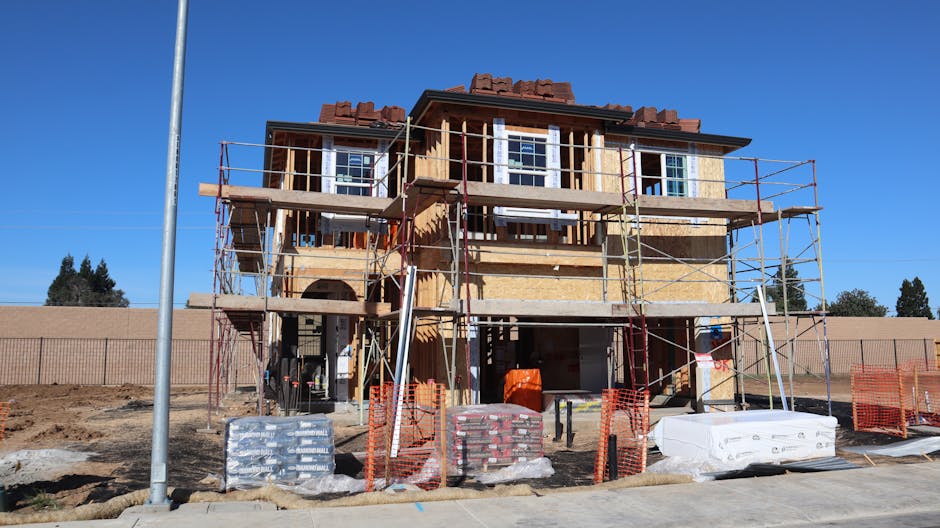
In a significant shift within the real estate sector, CoStar Group and Berkshire Hathaway are making bold investments in homebuilding, reflecting a broader trend toward consolidation and innovation in the housing market. CoStar’s decision to acquire Zonda for $800 million and Berkshire’s plan to purchase Taylor Morrison for $8.5 billion signal a robust belief in the future of residential construction, despite current challenges such as rising interest rates, labor shortages, and supply chain disruptions.
CoStar’s acquisition of Zonda, a data analytics company specializing in residential real estate, represents a strategic move to enhance its market intelligence capabilities. By integrating Zonda’s analytical tools, CoStar aims to provide deeper insights into homebuilding trends, enabling developers and investors to make more informed decisions. Zonda’s database offers critical information on new home sales, pricing trends, and consumer preferences, vital data that will bolster CoStar’s real estate analytics portfolio.
On the other hand, the acquisition of Taylor Morrison—a prominent residential homebuilder—by Berkshire Hathaway indicates a long-term commitment to the housing industry. This nearly $9 billion investment underscores Berkshire’s confidence in sustained demand for new homes, particularly in fast-growing markets. Taylor Morrison, known for its diverse range of housing options, including entry-level and luxury homes, taps into various demographics and income brackets, making it a valuable asset in Berkshire’s expansive portfolio.
Both investments raise important questions about the future of homebuilding. One can posit that both companies are betting on an eventual recovery and stabilization of the housing market post-pandemic. The COVID-19 pandemic fueled unprecedented demand for housing, as remote work prompted families to seek larger living spaces away from urban centers. This trend is particularly relevant in Missouri, where cities like St. Louis and Kansas City have seen a surge in demand for suburban homes, offering more space and affordability compared to traditional urban living.
Despite potential challenges such as interest rate hikes and material cost inflation, the homebuilding sector remains resilient. Population growth, coupled with a millennial demographic that is increasingly entering the home-buying market, suggests a persistent demand for new housing. Additionally, as financial institutions stabilize and supply chains recover, the prospects for new construction remain favorable.
In Missouri specifically, the state is witnessing a revival in homebuilding activity, with new projects emerging in both urban and suburban areas. The influx of investments from entities like CoStar and Berkshire Hathaway can further catalyze this momentum, improving market conditions for developers and prospective homeowners alike.
These acquisitions also illuminate a larger trend of consolidation in the real estate industry, where established firms are increasingly looking to leverage technology and data in their operations. The integration of technology platforms and construction expertise will likely create efficiencies that can drive down costs and improve housing delivery timelines.
In conclusion, CoStar’s and Berkshire Hathaway’s proactive investments in homebuilding signal confidence in the sector’s long-term growth potential. By investing in both data analytics and established homebuilders, these companies are positioning themselves at the forefront of evolving market dynamics. The impact of these acquisitions will likely reverberate across the industry, setting the stage for innovations in home construction and selling strategies that will benefit both consumers and investors in the coming years.