
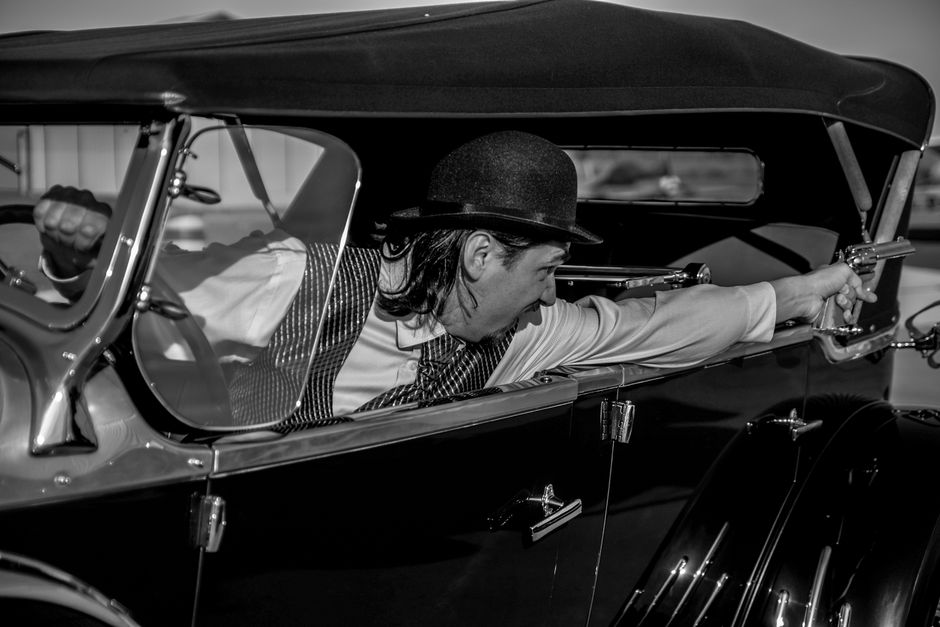
Kansas City’s rich tapestry of history is more than just a collection of dates and events; it reflects a vibrant community shaped by its past. The recent rise of immersive Prohibition-era tours in downtown Kansas City serves as a testament to this living history, breathing life into tales of bootleggers, jazz clubs, and political maneuvering. As participants step into the gritty yet glamorized world of the 1920s, they witness firsthand how this tumultuous time influenced not only culture but also the real estate landscape in Missouri.
The Prohibition era marked a significant transformation in Kansas City, turning it into a hotspot for organized crime and underground entertainment. This era saw the emergence of notorious gang figures such as Tom Pendergast, whose influence extended far beyond the realm of illegal spirits. His political machine enabled a level of corruption and complicity that allowed bootlegging operations to thrive. For real estate professionals, understanding this historical context is crucial; the very buildings that tourists marvel at during guided tours—such as old hotels and speakeasies—were integral to the urban fabric that still defines Kansas City today.
As the immersive tour unfolds, participants learn about iconic venues like the historic Union Station, once a hub of criminal activity and jazz music. The influence of Prohibition-era nightlife can be seen in contemporary usage of these spaces, where appreciation for early 20th-century architecture meets modern real estate development. The city’s historic districts command premium prices, attracting investors keen on capitalizing on properties with rich backstories.
Moreover, the cultural significance of jazz—a genre that flourished during the Prohibition era—continues to influence the creative economy of Kansas City, drawing artists, entrepreneurs, and investors alike. Properties near music venues, galleries, and cultural centers increase in value, thus transforming the surrounding neighborhood. The vibrancy of the arts scene can be seen as a direct descendant of the underground festivity of the Prohibition era.
In terms of market dynamics, Kansas City’s urban renaissance, driven in part by tourism and cultural appreciation, correlates with a surging demand for mixed-use developments. Developers are increasingly leaning into the narrative of the city’s rich past, crafting spaces that honor historical elements while meeting contemporary needs. This trend promises a lucrative opportunity for savvy investors and developers, as properties with character and history often garner higher demand.
Additionally, Missouri’s economic landscape is witnessing a ripple effect of this renewed interest in the historic portions of Kansas City. The convergence of tourism, history, and real estate is creating a sustainable model for growth that benefits both the local economy and the housing market. More community-focused initiatives are emerging that emphasize preservation alongside development, ensuring that as the city evolves, it does so with respect for its storied past.
In conclusion, the immersive Prohibition-era tours are not just a nostalgic exploration; they are a vital link to understanding Kansas City’s enduring appeal. Real estate professionals have a unique opportunity to leverage this historical narrative to inform their strategies and offerings. By appreciating the historical significance of these properties, they can better serve a market that increasingly values not only the physical space but also the stories and experiences tied to it.