
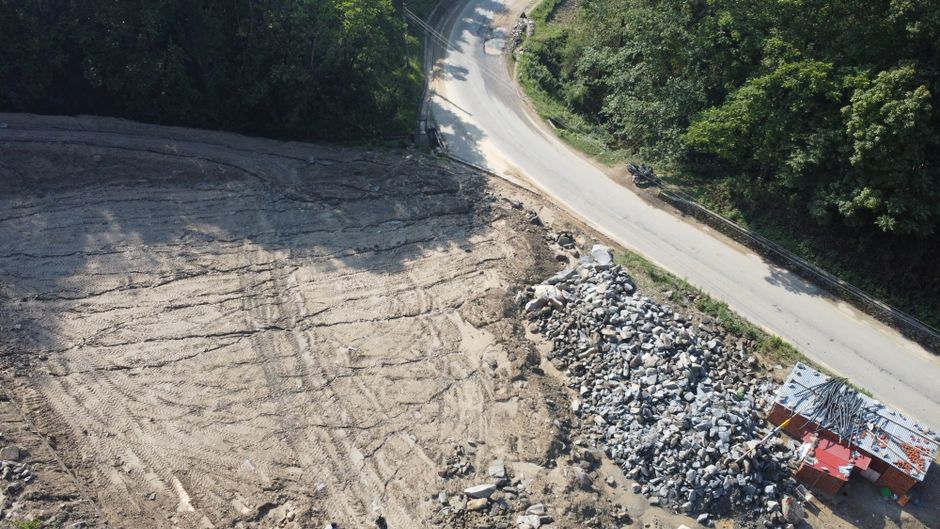
Before the robust highway network traversing Missouri today, rural transportation was riddled with obstacles. Getting from one town to another could mean navigating through mud-filled roads in the spring, or choking on dust in the summer—conditions that often extended travel times significantly. This frustrating experience was not unique to Missouri; it resonated across the United States, leading to the inception of the Good Roads Movement in the early 20th century.
The Good Roads Movement, a grassroots initiative aimed at improving road conditions nationwide, significantly altered the transportation landscape, particularly in rural areas such as Missouri. The movement gained momentum amidst growing frustrations from farmers, merchants, and everyday citizens who faced a myriad of challenges due to poor road conditions. Missouri, characterized by its vast agricultural output and diverse geography, became a focal point for advocates of better transportation.
As part of this movement, numerous local and state campaigns emerged, highlighting the importance of not just improved roadways but also the socio-economic benefits of accessible transportation. In Missouri, the call for better infrastructure was supported by influential organizations, including the Missouri Good Roads Association, which was instrumental in advocating for legislation that prioritized road improvement funding.
One of the pivotal changes brought about by this movement was the transition from dirt paths to paved roads, enabling faster and more reliable access between Missouri’s rural communities and urban centers. The implementation of a state highway system, facilitated by federal funding and innovative construction programs, laid the groundwork for what would eventually morph into today’s intricate highway system.
Moreover, the economic implications of improved roads in Missouri were profound. Accessibility to markets became more feasible for rural farmers, while businesses could expand their reach. This paved the way for increased real estate development opportunities, as easier transportation fueled both residential and commercial growth in previously isolated areas. The modern highway system also contributed to the booming tourism industry that showcases Missouri’s natural beauty and cultural heritage—further solidifying the importance of the Good Roads Movement.
In conclusion, the Good Roads Movement not only improved the immediate physical condition of rural routes in Missouri but also triggered significant economic expansion and reshaped the social fabric of the state. As we reflect on this transformative period, it is evident that the modern highways crisscrossing Missouri today are more than just paved streets—they are vital arteries that continue to drive growth and connectivity in a state rich with resources and potential.