
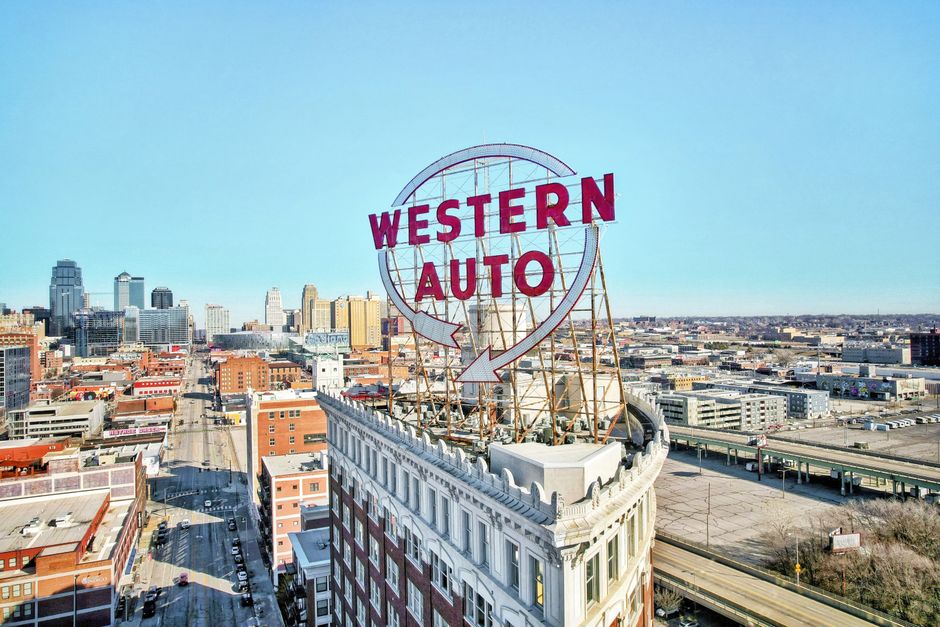
The recent exciting developments in Kansas City’s hosting of the World Cup has not only captured the attention of sports enthusiasts but also holds significant implications for the local real estate market. As Kansas City kicked off its second match in the tournament, the historical significance of this event goes beyond the scorelines; it reinforces Kansas City’s position as a major player in hosting global events and its potential to attract businesses and residents alike.
Hosting a global event such as the World Cup tends to have a multifaceted impact on the local economy. Firstly, it enhances Kansas City’s visibility on the international stage, offering exposure that can lead to increased tourism and associated revenue streams. These factors are crucial in driving up interest in the local real estate market, particularly in residential and commercial sectors.
In Missouri, particularly in urban centers like Kansas City, the excitement surrounding such events generally leads to increased demand for real estate. This influx can lead to a spike in property values, which is particularly relevant given the city’s ongoing economic transformation. The combination of new sports infrastructure, increased foot traffic, and heightened national attention typically results in a positive ripple effect throughout the local economy. Investors and homebuyers are increasingly recognizing the long-term value in a market that’s gaining prominence due to its ability to host significant events.
As the tournament progresses, real estate professionals are noticing trends in short-term rentals and hospitality sectors, which typically see a surge in demand during major sports events. This rise is anticipated to push rental prices upward, providing landlords with advantageous opportunities. Properties near the sporting venues and downtown area are already becoming sought after, indicating a growing interest in urban living spaces that cater to both tourists and new residents.
Furthermore, the local government is likely to invest in infrastructure improvements to accommodate the influx of visitors and residents, which could result in enhanced transportation links, public amenities, and overall urban development. These enhancements are key in supporting continued growth in property values and contributing to a more vibrant community overall.
As Kansas City celebrates its moment in the spotlight, prospective investors and homebuyers would be wise to consider the long-term opportunities arising from hosting the World Cup. The historical nature of this event will likely lead to sustained interest in the real estate market as Kansas City continues to evolve.
In conclusion, Kansas City’s hosting of World Cup matches isn’t just a fleeting moment of sports history; it has the potential to reshape the economic landscape of Missouri’s real estate market for years to come. Stakeholders within the market should leverage this wave of excitement and investment, ensuring they capitalize on the evolving dynamics of this flourishing urban hub.