
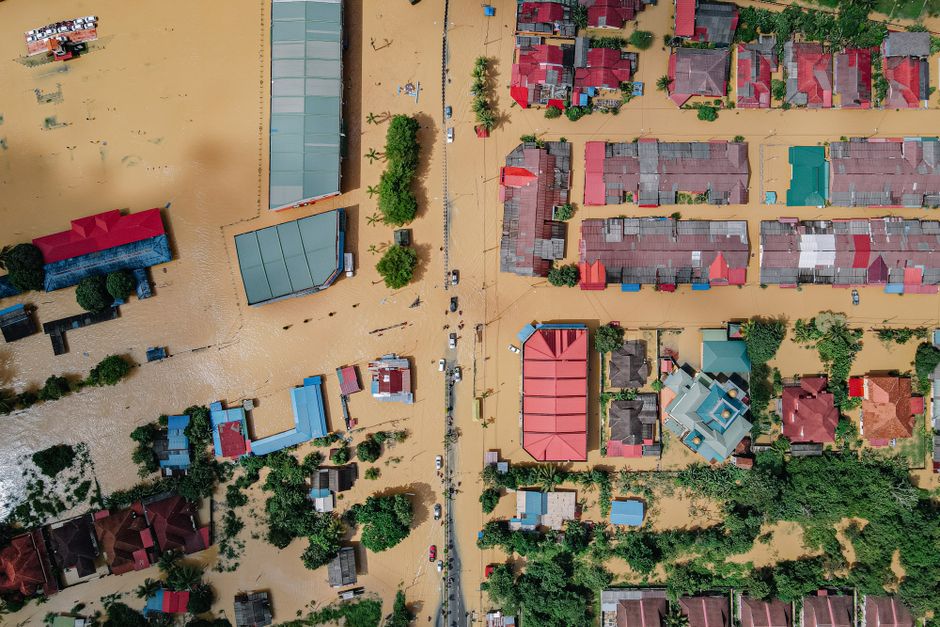
Over the weekend, parts of Missouri faced devastating flash flooding, leading to more than 200 water rescues, a state of emergency declaration by Governor Mike Kehoe, and at least one reported death. These rains, with precipitation levels reaching between 6 to 12 inches in regions such as Iron and Reynolds counties, have not only brought immediate challenges but also pose critical implications for the local real estate market and future development in the region.
The heavy rains, primarily affecting south-central and eastern Missouri, underscore the growing concern for extreme weather patterns and their impact on residential and commercial properties. Flooding events like these can lead to both short-term and long-term consequences for property values and insurance rates, which are key considerations for potential homebuyers and investors.
In the immediate aftermath of the flooding, potential buyers may become wary of properties in flood-prone areas. This hesitation can affect market dynamics, potentially leading to a decrease in property values as buyers assess the risks associated with water damage and additional insurance costs. Homes not previously identified as being at risk may now find themselves categorized differently due to changing flood maps and increased awareness of climate risks.
Moreover, the flooding’s aftermath demands significant recovery efforts which can strain local resources and infrastructure. As communities begin the recovery process, we are likely to see increased demand for construction services and contractors, elevating local job opportunities. However, rebuilding efforts may also come at a heightened cost attributed to material shortages and labor demands caused by the widespread damage.
The significance of this flooding event also emphasizes the role of government policy and urban planning. Local governments will face pressure to improve infrastructure in vulnerable regions, possibly impacting zoning laws and land use regulations. Future developments may necessitate stricter compliance with flood mitigation measures, such as improved drainage systems or the elevation of new constructions.
For investors, understanding the real estate landscape post-flooding is critical. While some properties may temporarily decline in value, there could be growth opportunities in areas designated for redevelopment or that have robust flood management solutions in place. Investors need to conduct thorough due diligence to assess not only the current market conditions but also future trends influenced by climate resilience and urban planning policies.
In summary, the recent flash flooding in Missouri serves as a potent reminder of the interplay between environmental factors and real estate markets. As the region copes with the immediate aftermath of this disaster, the long-term effects on property values, infrastructure, and community planning will shape the landscape of Missouri’s real estate framework for years to come. Stakeholders must remain vigilant as they navigate these evolving dynamics.