
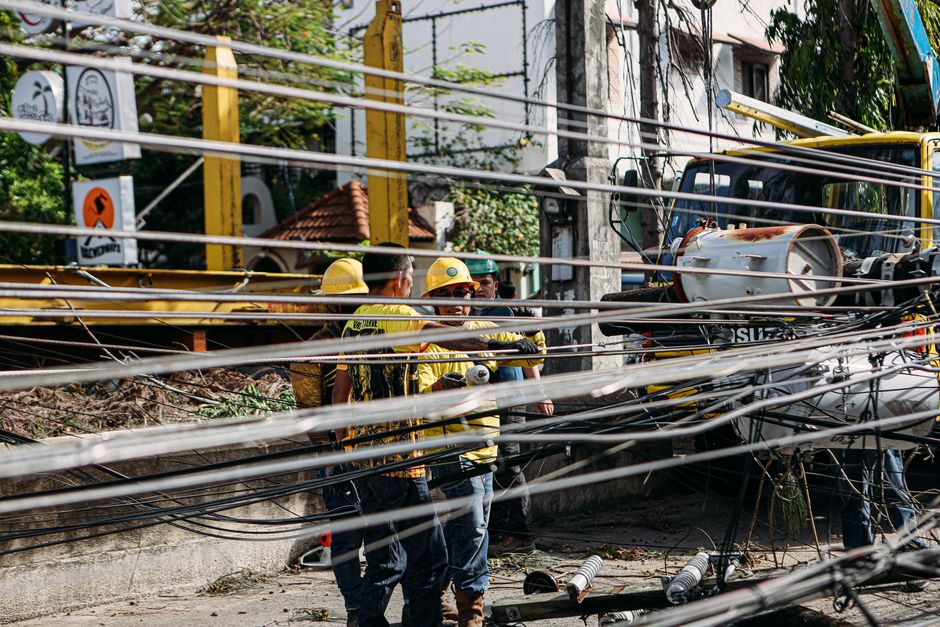
In the volatile weather patterns of Missouri, power outages remain a persistent concern for residents and businesses alike. With an average of 35 thunderstorms per year and seasonal snowfall that can quickly accumulate, the integrity of our electrical infrastructure is regularly put to the test. In light of this, the right-of-way maintenance performed by Missouri Electric Cooperatives plays a pivotal role in safeguarding the electrical grid and preventing outages.
Right-of-way (ROW) maintenance involves managing the land surrounding the high-voltage power lines, ensuring that trees, shrubs, and other vegetation do not impede access to or damage the lines, particularly during severe weather events. This proactive approach is essential for multiple reasons.
Firstly, trees are often the leading cause of power outages in storm-prone areas. When winds exceed a certain speed, branches can snap and fall onto power lines, leading to interruptions in service. Missouri Electric Cooperatives undertake systematic tree trimming and vegetation management along their rights-of-way to minimize this risk. Their management strategies often include selective pruning of trees and the removal of species known as ‘wildlife attractors’ that pose a higher risk to power infrastructure.
Secondly, the economic implications of insufficient right-of-way maintenance can be significant. Power outages are not just an inconvenience; they can result in considerable financial losses for businesses and households. According to a recent study, small to medium-sized businesses in Missouri can average losses of thousands of dollars for each hour that they are without power. By investing in regular right-of-way maintenance, electric cooperatives can effectively reduce outage frequency and duration, enhancing overall grid reliability and supporting economic vitality across the state.
Furthermore, environmental considerations play a key role in the discussion around ROW maintenance. Cooperative efforts enforce environmentally responsible practices, balancing power reliability with the protection of native flora and fauna. Initiatives often include the replanting of native species that provide ecological benefits while minimizing risks to electrical infrastructure.
Additionally, the collaboration between local governments and electric cooperatives is essential in ensuring that maintenance efforts are both timely and effective. By sharing resources and information regarding emerging risks, they can plan more strategic maintenance schedules. For instance, municipal planning for urban development often takes power infrastructure into account, ensuring that new projects do not inadvertently increase the chances of vegetation interference with power lines.
As increasing climate variability poses new challenges to Missouri’s power grid, the emphasis on right-of-way maintenance will only become more critical. Innovations in drone technology and data analytics could further enhance the precision and efficiency of ROW assessments. Electric cooperatives are also looking into community engagement programs that educate residents about the importance of maintaining clearances and the potential hazards posed by nearby trees.
In conclusion, while the immediate response to a power outage often revolves around restoration efforts, the groundwork laid down by right-of-way maintenance is where the true prevention happens. Missouri Electric Cooperatives’ ongoing commitment to this area of infrastructure care reveals how crucial these practices are in ensuring reliable power delivery across the state. For residents, understanding this role emphasizes the importance of community support for such initiatives, ultimately leading to a more robust and resilient power network in the face of Missouri’s ever-changing weather conditions.