The rapid expansion of data centers across the United States has catalyzed a significant shift in residential real estate dynamics, with home sales near large data facilities seeing unprecedented growth. According to a recent analysis, the share of home sales within five miles of a data center boasting at least 50 megawatts of capacity has more than doubled since 2018. This escalation points to a burgeoning intersection between technology infrastructure and residential development that isn’t simply a trend but rather a reflection of deeper market forces at play.
In the context of Missouri, this phenomenon is particularly noteworthy. As cities like Kansas City and St. Louis emerge as technological hubs, their respective real estate markets reflect this surge. Kansas City has seen a notable influx of investment in data centers, capitalizing on its favorable geographic location and established IT prowess. St. Louis, meanwhile, is becoming a focal point for fiber optic connectivity and energy efficiency—key attributes for data center operations. Data centers are drawn not only to urban areas for their accessibility but also to regions that offer competitive energy rates and a reliable workforce, making Missouri a strategic player in this growing sector.
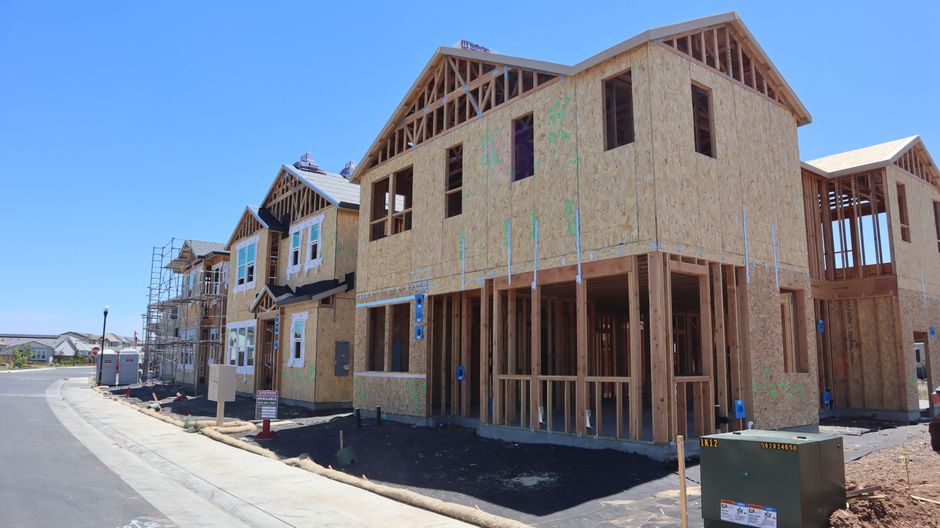
The implications for housing are profound. The proximity to data centers is increasingly viewed as an asset. In data-driven economies, homes located within a five-mile radius offer potential buyers a unique appeal as they symbolize accessibility to emerging job markets and technological advancements. This trend has sparked interest among homebuilders and investors alike, prompting new residential developments tailored to meet this growing demand. The correlation between data center proximity and rising property values is becoming more apparent, especially as professionals in tech fields seek housing options that align with their employment venues.
Moreover, local governments are recognizing the importance of this sector for economic stability. In Missouri, initiatives have surfaced aimed at fostering partnerships between tech companies and residential developers. This alignment not only aims to craft shared goals but also helps ensure that infrastructure remains robust enough to handle the increasing demand from both sectors.
The community benefits extend beyond mere convenience. A robust residential market near data centers promotes economic stability through job creation, increased tax revenues, and enhanced local services. As these facilities require ongoing maintenance, operational staff, and auxiliary services, the job market flourishes, which further stimulates the local economy.
Investors looking to capitalize on this boom should note that the trend does bring with it complexities. Zoning regulations can pose challenges, and the environmental implications of building new residential developments near data centers must be carefully evaluated. Nevertheless, this shift offers substantial opportunities for innovative developers who can devise sustainable, smart urban living solutions synchronizing technology and residential needs.
As we look ahead, the relationship between data centers and housing markets will continue to evolve, influenced by ongoing advancements in technology and shifts in consumer behaviors. Missouri stands at a pivotal juncture, with its real estate market set to undergo transformation that underscores the increasing significance of data centers in shaping residential landscapes. For stakeholders—be they investors, developers, or local governments—the time to act is now, as the intersection between data infrastructure and housing represents not just an opportunity, but a reflection of the future of living and working in a technology-driven world.