
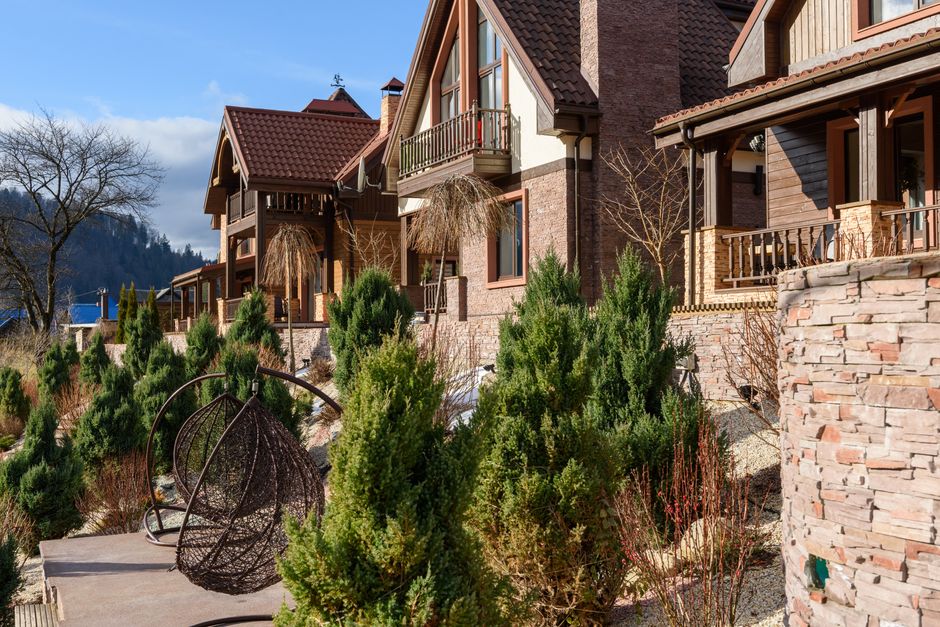
The mountain-luxury real estate market in Summit County, Colorado, is revealing significant insights about current housing demand trends, particularly how they relate to wealth, liquidity, and buyer motivations. An agent in Summit County highlights an essential divergence between the market dynamics of luxury properties in mountain locales compared to urban centers such as Denver and Colorado Springs.
A pivotal observation from this market is that cash luxury demand is closely associated with wealth and liquidity rather than traditional factors like interest rates. While the general housing market across Colorado has shown sensitivity to rate fluctuations, the luxury segment in mountain areas appears insulated from such pressures. This is particularly relevant as buyers in this niche often have substantial liquid assets, thus enabling them to navigate financial uncertainties with greater ease.
In contrast, the more urban-centric markets such as Denver and Colorado Springs have witnessed a moderate slowdown as interest rates rise, consequently affecting buyer confidence and affordability. The response from the luxury sector in these regions suggests a stronger correlation with the wider economic indicators that impact financing, such as job markets and consumer sentiment, which in turn influence potential buyers’ decisions.
Notably, this trend emphasizes that high-net-worth individuals seeking properties in luxury destinations prioritize their emotional and experiential needs over cost-related considerations. This buyer profile often sees mountain luxury real estate not merely as a financial investment, but as a lifestyle choice—emphasizing recreational opportunities, natural beauty, and personal wellness.
In broader terms, this Colorado phenomenon could provide valuable lessons for other markets, including those in Missouri. The Missouri housing landscape, especially in areas like Lake of the Ozarks or the scenic Ozark Mountains, can learn from the Summit County example. Here, local agents should be cognizant of the similar affluent buyers who prioritize lifestyle over price, particularly in vacation and second-home markets.
Luxury developments and real estate agents in Missouri should cultivate a focused strategy that appeals to this demographic, emphasizing not merely the financial aspects of a home, but the full suite of experiences and lifestyle benefits that accompany mountain living.
Additionally, as the economic climate evolves, there may be potential for shifts in buyer demographics, including shifts towards more sustainability-focused developments in mountain-like areas. Missouri’s policy makers and developers could capitalize on this by incorporating eco-friendly practices, thus aligning with the values of high-net-worth individuals who are increasingly mindful of social responsibility and environmental impact.
In conclusion, the luxury mountain real estate market presents a compelling narrative about current housing demand, suggesting that affluent buyers are largely driven by personal values rather than traditional economic factors. As markets across the U.S., including those in Missouri, grapple with legislative and economic changes, understanding the trends within the luxury sector can yield essential insights for future investments and developments.