
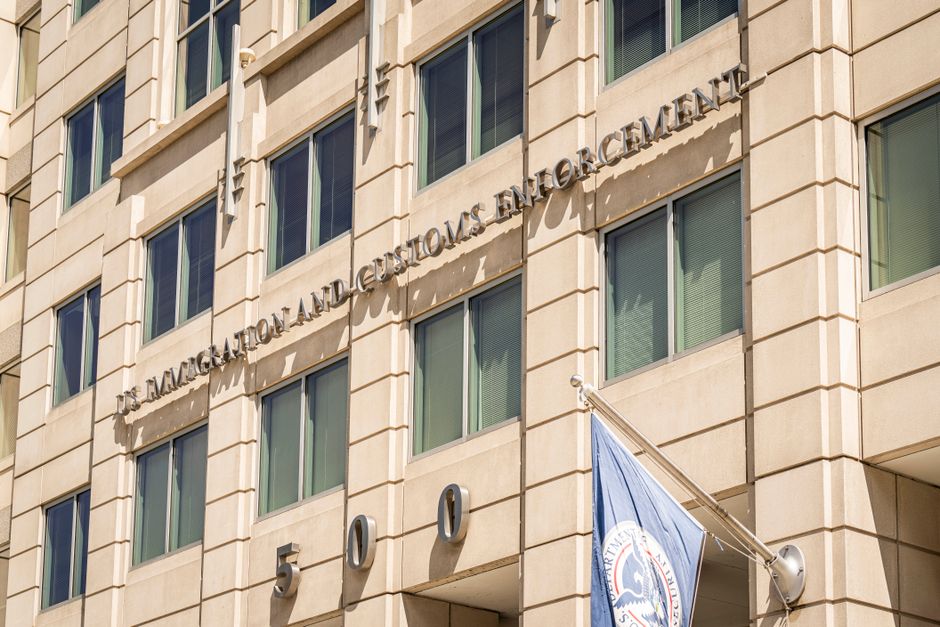
The recent policies enacted during the Trump administration have reverberated through various sectors in the United States, bringing to the fore the intricate interplay between immigration and healthcare. With approximately 21,000 Haitian Temporary Protected Status (TPS) holders working predominantly as caregivers, a substantial number of families and healthcare facilities are feeling the impact, including in states like Missouri.
These Haitian caregivers have provided essential services to around 77,000 patients nationwide, filling critical gaps within the healthcare system. This workforce not only contributes valuable skills but also offers cultural competency that enhances the quality of care for diverse populations. The exodus of these caregivers, driven by the TPS decisions, raises grave concerns for both public health and the stability of healthcare services, particularly in underserved communities.
In Missouri, the decline in available caregivers has led to increased demand for remaining healthcare workers, exacerbating staffing shortages in hospitals and home care agencies. The state’s healthcare system, already grappling with challenges such as inadequate resources and an aging population, now faces an uphill battle. Missouri’s urban centers, which rely heavily on immigrant labor, are experiencing heightened pressure as caregivers exit the workforce or face deportation.
Moreover, the healthcare implications extend beyond staffing. The loss of Haitian caregivers not only stresses the existing workforce but also impacts patient outcomes. Caregivers play a pivotal role in providing culturally sensitive care, ensuring that patients feel understood and valued. As a result, the withdrawal of a significant number of these caregivers may lead to decreased patient satisfaction and potentially poorer health outcomes, particularly for the Haitian community and others who benefit from bilingual and culturally aligned care.
From a real estate perspective, the ramifications are notable. Healthcare facilities and assisted living spaces may see a decline in occupancy rates as care becomes more challenging to access. The struggle to maintain adequate staffing could deter new investments in healthcare infrastructure, critical for providing services to a growing population.
Additionally, the housing market could experience shifts as these caregivers either leave the state or face uncertainties in their residency status. Missouri’s housing demand, particularly in metropolitan areas, could see volatility, affecting rental prices and availability. Landlords and real estate investors may need to rethink their strategies in light of a potentially shrinking demographic for tenants.
In response to these challenges, community organizations and local leaders in Missouri are advocating for policy changes and support mechanisms to address the urgent need for caregivers. Strategies such as increasing pathways for legal residency among current TPS holders or fast-tracking immigration for healthcare workers could alleviate some of the pressure on Missouri’s healthcare system.
In conclusion, the consequences of the Trump administration’s crackdown on Haitian immigrants extend far beyond immigration policy; they pose a significant threat to public health and stability in markets, including real estate. The ongoing challenges require a comprehensive approach to ensure that Missouri’s healthcare system can continue to provide for all its residents while addressing the needs of an increasingly diverse population.