
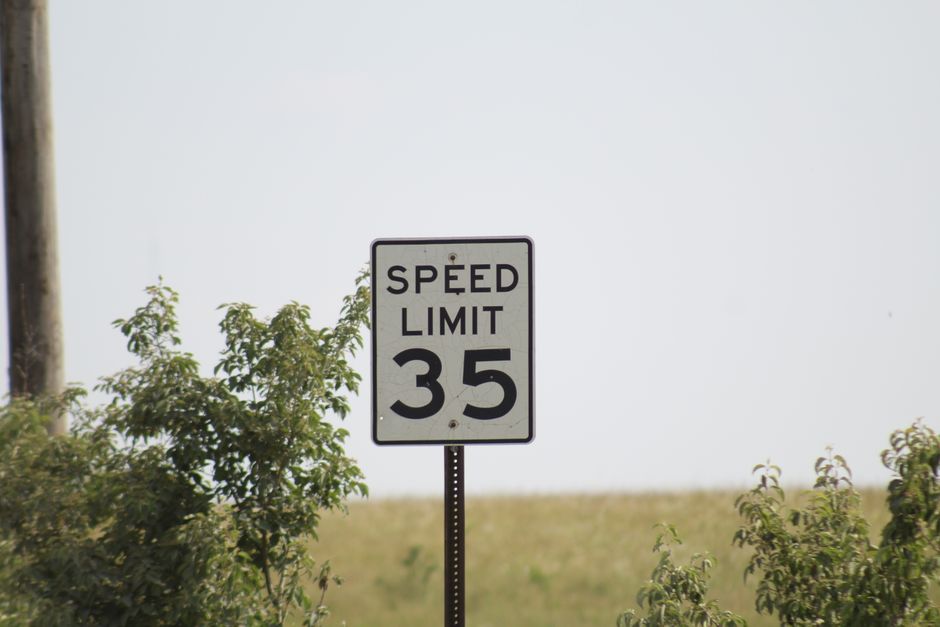
In a significant shift for rural transportation in Missouri, a new law permits the state to raise speed limits on rural interstate highways to 75 miles per hour. This change, welcomed by many, is being carefully considered by the Missouri Department of Transportation (MoDOT), which is currently reviewing an array of factors to determine the most effective implementation of the new speed limits. MoDOT Director Ed Hassinger has emphasized that while increased speeds can enhance travel efficiency, a comprehensive analysis is essential to ensure that safety and infrastructure can support such changes.
As MoDOT assesses these factors, they include not only traffic flow and accident rates but also the state’s ongoing economic development initiatives. The introduction of higher speed limits could have various implications on traffic patterns, local economies, and ultimately, real estate values in rural communities.
### Assessing the Factors
First and foremost, MoDOT is examining traffic volume and current safety statistics on specific interstate segments. Higher speed limits can lead to increased speeds across the board, which may have a ripple effect on accident rates. For instance, rural areas often have fewer traffic signals, which might seem conducive to higher speeds but can also lead to more severe accidents when collisions do occur. MoDOT is analyzing these dynamics to ensure that safety is not compromised.
Additionally, traffic studies will evaluate the impact on travel times and congestion relief. A smoother flow of traffic on interstates often stimulates local economies by making it easier for goods to be transported and for travelers to access rural attractions. This can particularly benefit regions along major routes such as I-70, where increased accessibility may lead to enhanced retail activity and potential development opportunities.
### Real Estate Market Impacts
From a real estate perspective, this increase in speed limits may influence property values in Missouri’s rural regions. Properties located near access points to highways are likely to see improved desirability, especially for commercial real estate businesses looking for easy transport logistics. Increased travel speeds may make these areas more attractive to both residential buyers and commercial investors, as shorter commute times can lead to higher demand.
Conversely, concerns regarding safety and noise pollution from increased highway traffic could mitigate some of these positive impacts on property values. Homebuyers often take into consideration the balance between accessibility and tranquility when selecting a new home, particularly in rural settings. Therefore, MoDOT’s findings, once made public, could significantly influence both residential preferences and broader market trends.
### Looking Ahead: Timing and Expectations
Director Hassinger has indicated that signs for the new speed limits could be posted as soon as later this year, pending the completion of MoDOT’s thorough analysis. This timeline may serve as a catalyst for developers and investors to start preparing for a potential uptick in real estate activity in targeted areas. A well-foreseen shift in transportation dynamics will undoubtedly play a crucial role in shaping market strategies moving forward.
### Conclusion
The recent legislative changes allowing for higher speed limits on rural interstates represent not only a potential boost for Missouri’s transportation infrastructure but also a pivotal moment for its real estate market. By understanding the intricate interplay between transportation policies and real estate dynamics, stakeholders can better navigate the evolving landscape. MoDOT’s careful review process aims to strike a balance between improving travel efficiency and maintaining safety, which will ultimately benefit Missouri’s economy and community vitality.