
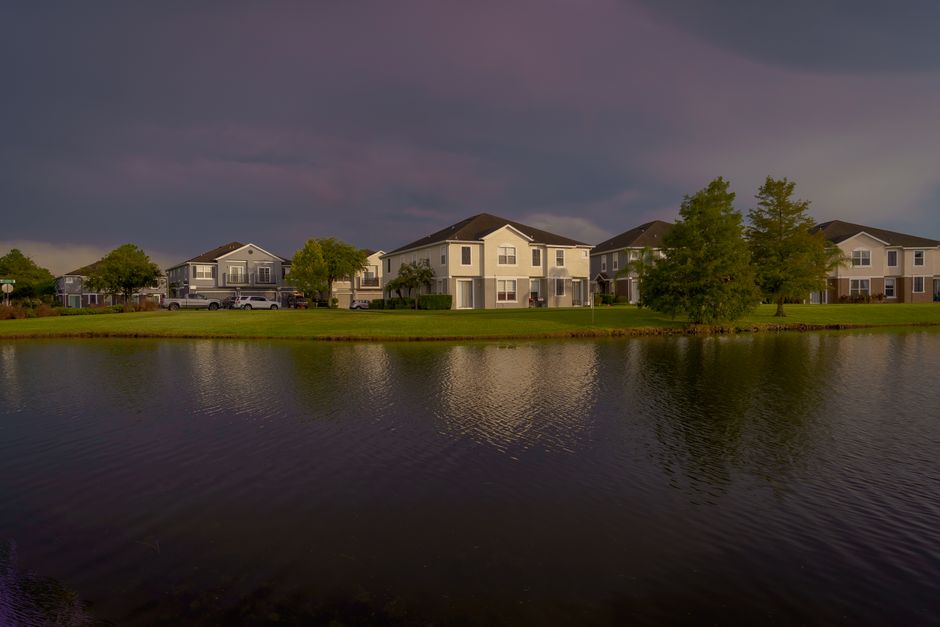
Florida’s housing market, particularly in metropolitan regions like Orlando, has recently exhibited signs of instability, raising concerns among buyers and investors alike. The state, known for its appeal as a vacation destination, faces heightened scrutiny as economic factors contribute to a cooling market. Affordability remains a pivotal issue, particularly for those looking to settle in the state rather than simply invest in vacation properties.
In Orlando, the narrative becomes increasingly complex. While the city continues to be a vibrant hub of tourism, characterized by theme parks and attractions, the demand for residential properties is bifurcated. Data suggests that investors in vacation properties are experiencing a downturn as fewer travelers are willing to pay premium prices for short-term rentals. This shift is reshaping the dynamics of the housing market beyond the vacation sector.
Recent reports indicate that prices have plateaued or even decreased in certain neighborhoods outside the tourist zones, as buyers confront rising mortgage rates and inflationary pressures. The affordability crisis is particularly pronounced for first-time homebuyers and those looking to purchase homes in areas that cater to families and permanent residents. Orlando’s median home price, while still competitive, has pushed many potential buyers to reconsider their options, leading to an uptick in rental demand and a slowdown in home purchase activity.
Despite these challenges, Orlando’s underlying economic fundamentals remain strong. The city’s economy is bolstered by a diverse array of sectors, including technology, healthcare, and education. This economic resilience is crucial for long-term housing stability. Moreover, the influx of population due to job opportunities continues to fuel a baseline demand for housing, even as luxury and vacation markets falter.
From a broader perspective, Florida’s fluctuating housing market reflects trends that can also be observed in regions such as Missouri. Midwestern markets are similarly grappling with affordability issues, as rising interest rates pressure buyers who may have considered relocating to more vibrant urban centers. Missouri’s real estate dynamics offer a counter-narrative—while demand remains steady, especially in areas such as St. Louis and Kansas City, buyers are often able to find more affordable options compared to their counterparts in high-demand locations like Orlando.
The contrast between Florida and Missouri illustrates the varying impacts of economic factors across different states. While Florida may see a resurgence in certain segments as the tourism market stabilizes, Missouri’s affordability could present a compelling case for buyers seeking value. This may lead to increased migration from Florida to states with lower living costs, albeit with different lifestyle implications.
In conclusion, Florida’s housing market, led by Orlando, faces a tumultuous landscape marked by affordability concerns and shifting demand trajectories. However, the city’s diverse economic fabric offers hope for resilience against broader market challenges. Buyers must navigate these complexities, considering not only current market conditions but also the long-term viability of their investments in this dynamic state.