
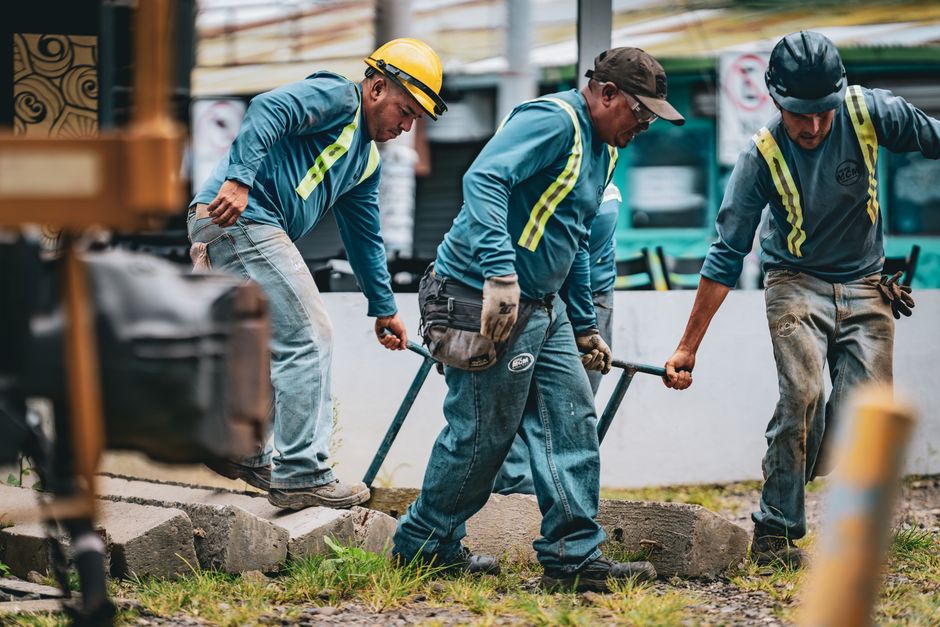
The construction industry is often celebrated for its vital role in economic development and infrastructure growth, yet it harbors a disturbing statistic: suicide rates among construction workers are reported to be four times the national average. According to data from the Centers for Disease Control and Prevention (CDC), this troubling trend necessitates immediate attention and actionable strategies for mental health support within the sector. As states like Missouri continue to recover economically and expand their construction projects, the need for a deeper understanding of this crisis is more pressing than ever.
Research has shown that several factors contribute to the elevated suicide rates among construction professionals. High levels of physical labor, an unpredictable work environment, and the inherent risks associated with construction sites can lead to significant stress and mental strain. Moreover, cultural norms within the industry often stigmatize mental health discussions, leaving workers without necessary avenues for support. This lack of openness is exacerbated in Missouri where the construction trade is booming, yet mental health resources often lag behind the growth.
In regions such as St. Louis and Kansas City, where construction projects are rampant, it is crucial for industry stakeholders to adopt comprehensive mental health initiatives. Organizations like the Construction Industry Alliance for Suicide Prevention are spearheading efforts to combat this crisis by providing toolkits and resources aimed at training workers and leaders alike. These initiatives emphasize the importance of recognizing the signs of distress, fostering supportive workplace cultures, and building robust mental health programs.
Missouri’s specific demographic and economic landscape further highlights the urgency of addressing this epidemic. The state’s construction workforce, comprising a significant portion of the labor market, faces unique stressors, including seasonal employment fluctuations and the pressure to meet tight project deadlines. This volatility can contribute to feelings of instability and hopelessness, amplifying mental health challenges. Furthermore, rural areas in Missouri often lack immediate access to mental health services, making preventative measures and awareness campaigns even more critical.
Employers have a pivotal role to play in ensuring the mental well-being of their workforce. Engaging employees in discussions about mental wellness, providing resources for professional help, and fostering a culture of openness can make a substantial difference. Regular training sessions that highlight mental health, coupled with robust peer support programs, can empower workers to seek help without fear of judgment.
As Missouri continues to navigate its construction boom, the need for heightened mental health awareness and proactive measures cannot be overstated. Industry associations, government bodies, and private employers must collaborate to create sustainable support systems tailored to the unique challenges faced by construction workers. Only through collective action and persistent advocacy can the disturbing trend of high suicide rates in the construction sector be addressed effectively, ensuring a healthier, more resilient workforce for the future.