
As the autumn chill begins to settle across Missouri, wildlife engages in fascinating preparations for the colder months ahead. Understanding these natural behaviors not only brightens our appreciation for the environment but can also shed light on considerations for homeowners, especially in the context of real estate.
**1. Food Storage: The Squirrel Strategy**
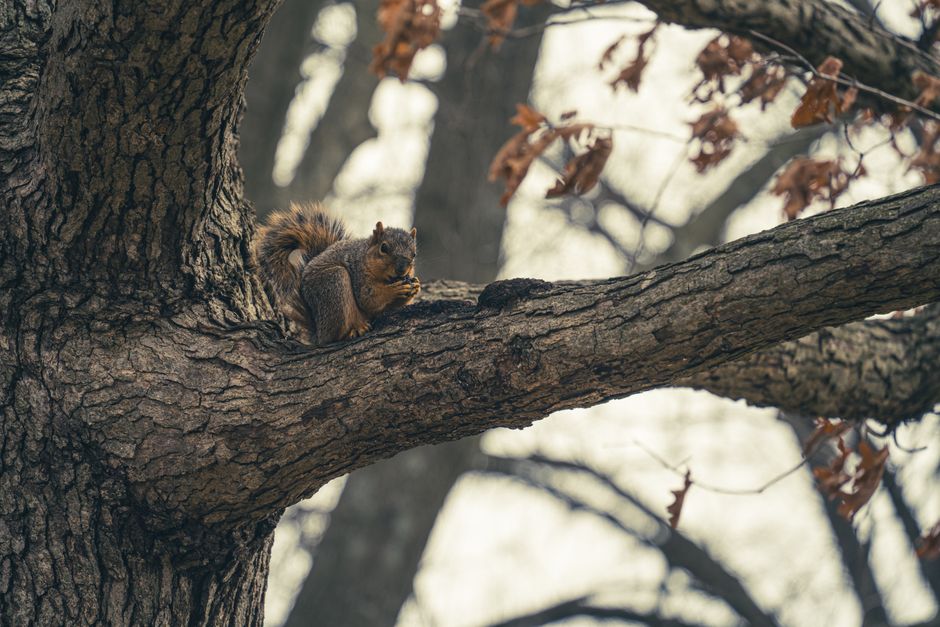
Many Missouri squirrels can be observed frantically gathering nuts and seeds during this time. This behavior is not merely for survival; it also influences the ecosystem. Their food-gathering habits can impact tree growth and seed dispersal, which is essential for maintaining healthy landscapes near residences. For homeowners, planting native trees that produce abundant seeds can encourage wildlife while enhancing property value and natural beauty.
**2. Hibernation Habitats: The Bear Mystique**
Black bears, a prominent species in Missouri, are busy preparing to hibernate. They create dens in secluded areas, leaving only footprints behind. As bears search for these resting spots, they often disturb the underbrush—an occurrence that can shape local fauna. For property owners near wooded areas, this serves as a reminder of the importance of maintaining natural habitats. When developing land, respecting animal migration and hibernation patterns can foster biodiversity, ultimately improving property conditions.
**3. Migration Patterns: The Avian Exodus**
While many animals exhibit hibernation tendencies, birds generally take to the skies. Their seasonal migrations signify ecological balance, as they navigate from Missouri to warmer southern climates. This pattern highlights Missouri’s strategic position as a waypoint for migratory routes. Homeowners with gardens can play a part by planting specific flora that attracts these birds in spring, effectively enhancing curb appeal—an important factor in real estate valuation.
**4. Camouflage and Adaptation: The Clever Coyote**
Coyotes have adapted well to suburban areas, utilizing their intelligence to secure food sources, even in human-dominated landscapes. Their activities can serve as a biological indicator for environmental health. For homeowners, awareness of local wildlife encourages responsible management, reducing human-wildlife conflict and maintaining property allure.
**5. Creating Shelter: The Importance of Brush Piles**
As animals seek shelter from the cold, many rely on natural debris, such as fallen branches. This can be beneficial for Missouri homeowners, as brush piles not only provide habitat for small mammals and insects but also serve as natural pest control. Therefore, embracing some natural chaos in gardens can bolster flora health and reduce maintenance costs.
**Conclusion**
The ways animals prepare for winter in Missouri offer valuable insights for real estate enthusiasts and homeowners alike. By integrating nature-aware strategies into property management, individuals can improve not only their living environments but also contribute to a more vibrant ecosystem.
For those interested in the seasonal behaviors of Missouri’s wildlife, engagements with local conservation groups can amplify this awareness. Understanding these interactions is essential, not just for ecological reasons, but also for enhancing the desirability and market value of properties in this beautiful region.