
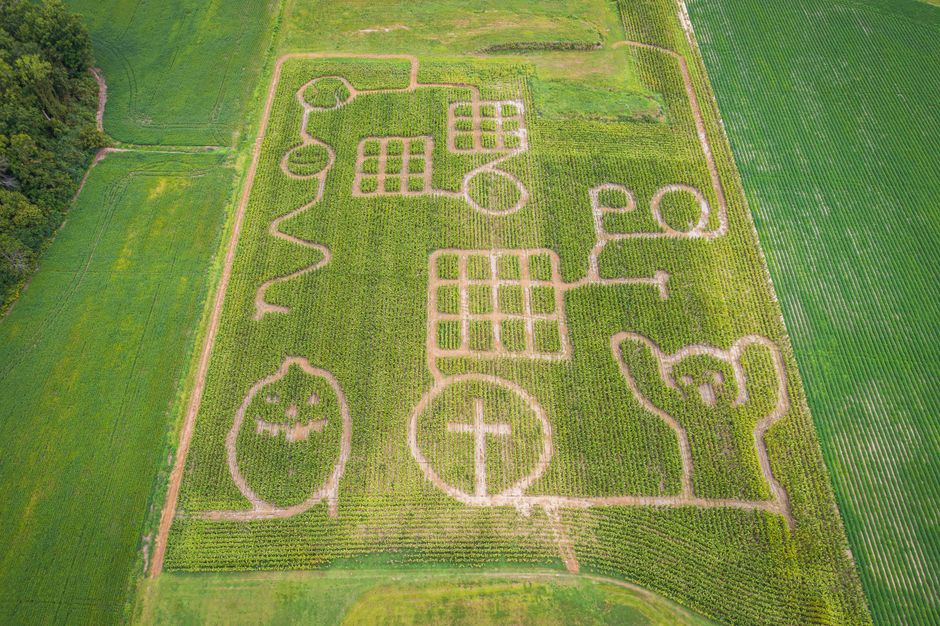
In the heart of Missouri, where agriculture plays a pivotal role in the economy, one business has taken an innovative approach to farming that merges creativity with commerce—Precision Mazes. This unique enterprise specializes in crafting elaborate corn mazes that not only attract visitors but also enhance the agricultural landscape, turning fields into immersive experiences.
As this year’s season wraps up, we delve into the mesmerizing artistry created by Precision Mazes and its broader implications on both tourism and the local economy. In a recent discussion with owner Rob Stouffer, several highlights of the year were shared, showcasing popular designs and the evolving trends in agritourism.
One of the standout features of this year’s mazes was their design intricacy, some boasting themes that resonate with local culture and history. For instance, sculptures of Missouri’s iconic landmarks were integrated into the maze designs, serving not only as recreational pathways but also as educational platforms. This year’s creations have expanded the definition of what a maize can symbolize—beyond agriculture, it is now a canvas for storytelling and community engagement.
The agritourism sector is on the rise, and Missouri is no exception. With the advent of businesses like Precision Mazes, the state has seen an influx of visitors seeking interactive experiences that enrich their understanding of agriculture. According to recent market analysis, agritourism in Missouri contributes an estimated $1 billion to the local economy annually, a figure reflected by the growing interest in attractions that offer both entertainment and educational value.
As local farmers face challenges such as fluctuating commodity prices and changing climate conditions, initiatives like Precision Mazes provide an alternative revenue stream. Stouffer emphasized that by diversifying income sources through agritourism, farmers can mitigate financial risks while collaborating with creative industries. This not only sustains local farms but also promotes preservation of agricultural lands.
Looking ahead to 2027, Stouffer hinted at exciting new themes and collaborations that will continue to draw visitors. This proactive approach illustrates the adaptability of Missouri’s agricultural sector in response to changing consumer preferences and the growing demand for experiential travel.
Moreover, these mazes often serve as gathering points for families, schools, and groups, fostering a sense of community and connection to the land. By engaging with such unique attractions, visitors leave with a greater appreciation of Missouri’s agricultural heritage.
In conclusion, Precision Mazes stands as a testament to innovation in the agricultural space, combining creativity with economic resilience. As the 2026 season concludes, the legacy of these mazes will undoubtedly spark continued interest in Missouri’s agricultural landscape, enhancing both local tourism and community spirit.