
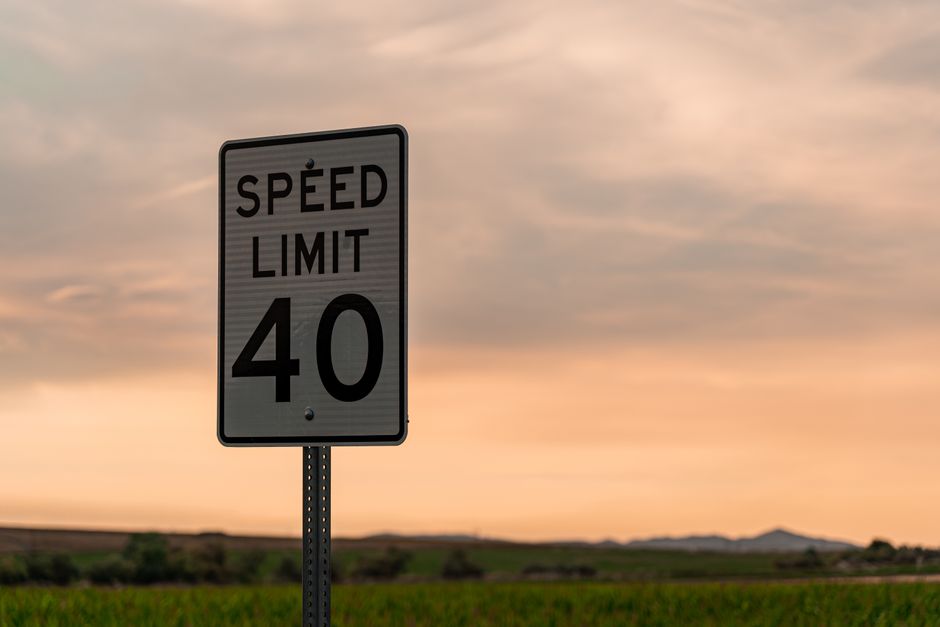
In a significant move aimed at enhancing traffic flow and improving connectivity, the Missouri Department of Transportation (MoDOT) has finalized plans to raise speed limits on selected rural interstate highways from 70 mph to 75 mph. This development stems from the enactment of a new state law, which authorizes MoDOT to make such adjustments after a comprehensive review of eligible corridors. The decision to increase the speed limit signals a response to both evolving transportation needs and increasing vehicular capacity on Missouri’s rural roadways.
The specific highways selected for this increase are strategically chosen, considering factors such as safety, traffic density, and road conditions. By allowing higher speed limits on these segments, MoDOT aims to enhance travel efficiency for both commercial and personal vehicles. The new speed limits are expected to facilitate better access to economic hubs across the state, particularly benefiting areas that depend on freight transport and tourism.
From a real estate perspective, this change could catalyze growth in rural areas adjacent to the newly designated highways. Increased speed limits typically result in shorter travel times, making these locations more attractive for potential residents and businesses. As commuters find themselves facing reduced travel burdens, suburban areas may witness a surge in demand for housing, commercial spaces, and real estate development. Investors and developers will need to assess the implications of faster commuting times on property values and zoning regulations in these regions.
Missouri’s diverse geography, with its blend of urban centers and vast rural expanses, is particularly sensitive to transportation policy changes. Higher speed limits could lead to increased traffic volume, necessitating ongoing assessments of road safety and infrastructure integrity. Property developers and urban planners should stay vigilant regarding the potential for increased road usage in areas surrounding the updated highways, particularly as growth may prompt further investment in local amenities and services.
Additionally, the speed limit change may stimulate interest in real estate investment opportunities akin to those experienced in rapidly expanding suburban markets. This could attract both long-time residents looking to capitalize on property values and newcomers seeking to relocate to areas with improved transit capabilities.
Local businesses could also stand to benefit from increased traffic flow. Enhanced access may bring greater consumer footfall, hence encouraging commercial development. Retailers, service providers, and hospitality industries should begin strategizing on how this change will impact their market strategies and operational considerations.
Overall, while the raised speed limits on Missouri’s rural highways signal a progressive step toward improved transportation infrastructure, they also herald a wealth of opportunities and challenges in the real estate market. Stakeholders must remain informed and proactive in adapting to these changes to capitalize on the evolving landscape of Missouri’s rural communities.