
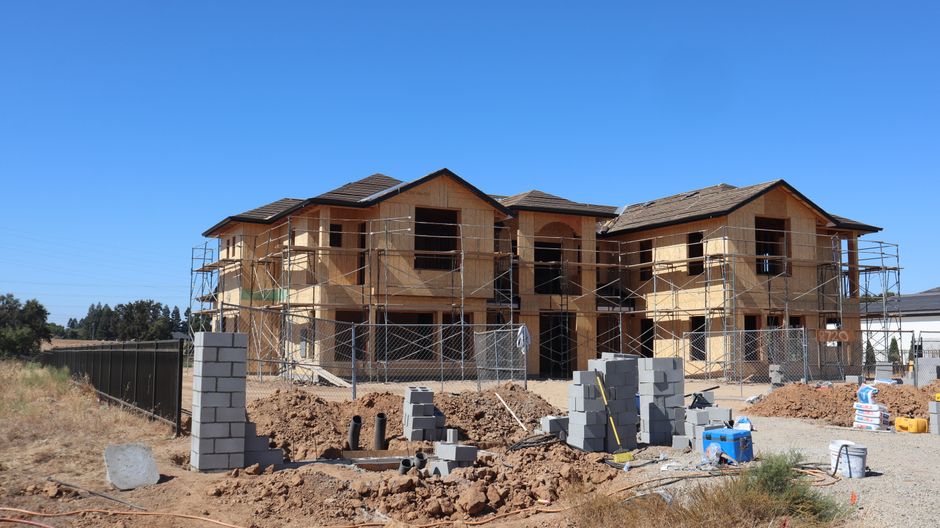
The real estate landscape is undergoing a transformative phase, marked by the expanding scale of homebuilding operations and the simultaneous erosion of institutional knowledge—an intricate dance that could redefine the dynamics of the housing market. Recent developments illustrate how localized market research and targeted buyer engagement can yield advantages over national scale operations, especially as evidenced by the Fox & Jacobs ‘North Dallas Special’ model 402.
Fox & Jacobs’ approach to homebuilding exemplifies a strategic pivot towards understanding consumer preferences and the intricate variables that drive housing demand. This model emphasizes that the nuances of local demographics can significantly influence buyer decisions, thus outperforming the generalized methods used by many large-scale builders. By focusing on tailored product offerings, developers can respond more adeptly to shifting consumer demands, ultimately achieving better sales results.
In Missouri, the implications of this trend bear significant weight, as the state grapples with its own unique set of housing challenges. Cities like St. Louis and Kansas City have experienced fluctuations in housing markets, underscored by varying economic conditions and demographic shifts. A deep understanding of local buyer behavior becomes paramount, especially in a state where affordability and housing supply constantly play tug-of-war.
With national builders often relying on established methodologies that may not account for local intricacies, there’s a palpable risk of alienating prospective buyers. For instance, Missouri’s diverse regions demand thoughtful consideration of factors such as urban vs. rural living preferences, job market variations, and community-specific amenities. Homebuilders who absorb and capitalize on this context can create homes that resonate more elusively with potential homeowners.
Moreover, the diminishing institutional memory within large development firms plays a crucial role in this evolution. As experienced professionals retire or transition out of the industry, fresh entrants may lack the insight that drives meaningful developments. This creates a vacuum where established practices may falter, and innovative strategies become crucial. The challenge lies in harmonizing the scale of operations with intimate market understanding—a balance that is more achievable for companies like Fox & Jacobs.
As the homebuilding scene continues to evolve, Missouri builders can draw lessons from these trends, focusing on harnessing local knowledge while navigating the complexities of scale. This dual approach could position them favorably in an increasingly competitive market, allowing for tailored developments that meet both current demands and future trends.
In conclusion, as the homebuilding sector grapples with the dual forces of scale and knowledge erosion, it becomes evident that localized expertise is essential for success. The example set by the Fox & Jacobs’ ‘North Dallas Special’ model 402 serves as a vital case study for builders in Missouri and beyond, encouraging a shift from broad-brush strategies to a more nuanced, buyer-focused approach. This recalibration could very well dictate which builders thrive in this new age of real estate, where understanding the consumer is as important as constructing the homes themselves.