
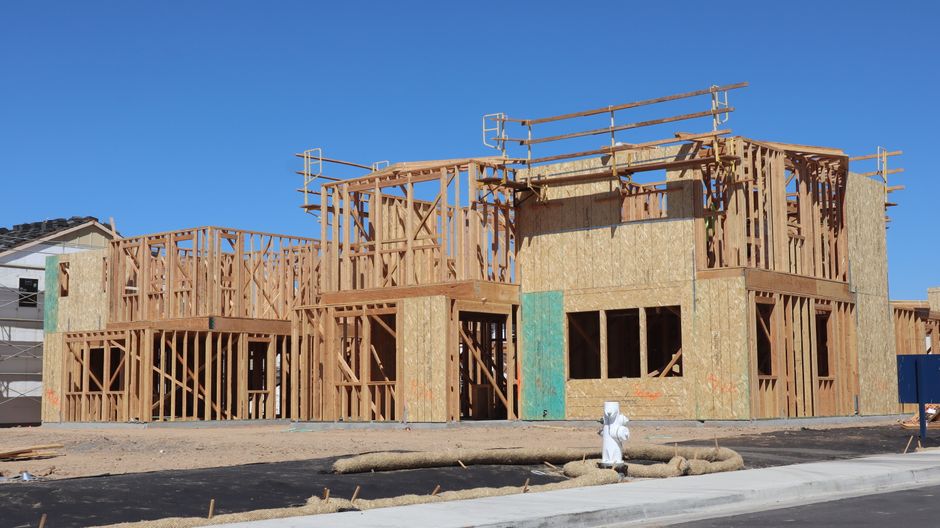
In a significant shift towards addressing the long-standing challenges facing homebuyers, the 21st Century ROAD to Housing Act has become law following President Trump’s inaction, effectively allowing the bill to pass into law without his signature. This legislative move is intended to cut through the bureaucratic red tape that has hindered homeownership across the nation, and its implications are poised to inspire a renewed focus on affordability and access in the real estate market.
### Unpacking the 21st Century ROAD to Housing Act
The 21st Century ROAD to Housing Act aims to overhaul existing housing regulations by streamlining zoning laws, reducing permitting delays, and promoting more diverse housing options. By focusing on easing these administrative burdens, the act seeks to create an environment conducive to increased home construction and ultimately make homeownership more attainable for millions of Americans.
**Key Provisions of the Legislation**:
– **Simplified Zoning Regulations**: Local governments will be encouraged to adopt more flexible zoning laws to facilitate the construction of affordable housing units.
– **Accelerated Approval Processes**: The legislation mandates certain federal and state guidelines to expedite permitting processes, which have often been criticized for prolonging new development projects.
– **Incentives for Affordable Housing Projects**: Developers will gain access to various incentives aimed at reducing costs associated with building low-income housing.
### Market Insights: A New Era for Homeownership
From a market perspective, the enactment of the ROAD to Housing Act is a catalyst for structural changes in the U.S. housing landscape. Given the current housing crisis, where skyrocketing prices have made homeownership seem like a distant dream for many, this legislation addresses foundational issues that typically trap potential buyers in a cycle of renting.
Analysts predict that, depending on state implementation, the ROAD to Housing Act could result in a significant uptick in housing supply. Increased availability is essential in combating rising prices, which have forced many prospective buyers out of the market. By making easier entry points into homeownership, particularly for first-time buyers and lower-income families, the act also aligns well with broader economic goals of stability and growth in many regions.
### Missouri: The Local Impact
For Missouri, the implications of the 21st Century ROAD to Housing Act could be particularly pronounced. The state has faced its own unique challenges in the housing market, including a shortage of affordable homes in urban centers such as St. Louis and Kansas City. As local governments align with federal incentives to address these challenges, we may soon see a transformation in Missouri’s housing development initiatives.
Local developers and housing advocates are viewing this legislation cautiously but optimistically. The projected easing of zoning restrictions could allow for innovative housing solutions that respond to specific community needs, such as mixed-use developments that incorporate retail with residential spaces.
Moreover, Missouri’s existing programs aimed at improving homeownership rates among low-income families can complement the benefits outlined in the new law. Therefore, stakeholders, including real estate agents, policymakers, and community organizers, must engage proactively with this legislation to leverage emerging opportunities.
### Conclusion
The 21st Century ROAD to Housing Act opens a dialogue about how policy can drive real, tangible changes in the housing market. Though the legislation comes without President Trump’s endorsement, its signature absence may, in a way, illustrate the complex nature of governance and its impact on housing. As Missouri and the rest of the nation prepare to embrace the new regulatory landscape, all eyes will be on how this act reshapes the future of homeownership and addresses the ongoing affordability crisis in the years to come.