
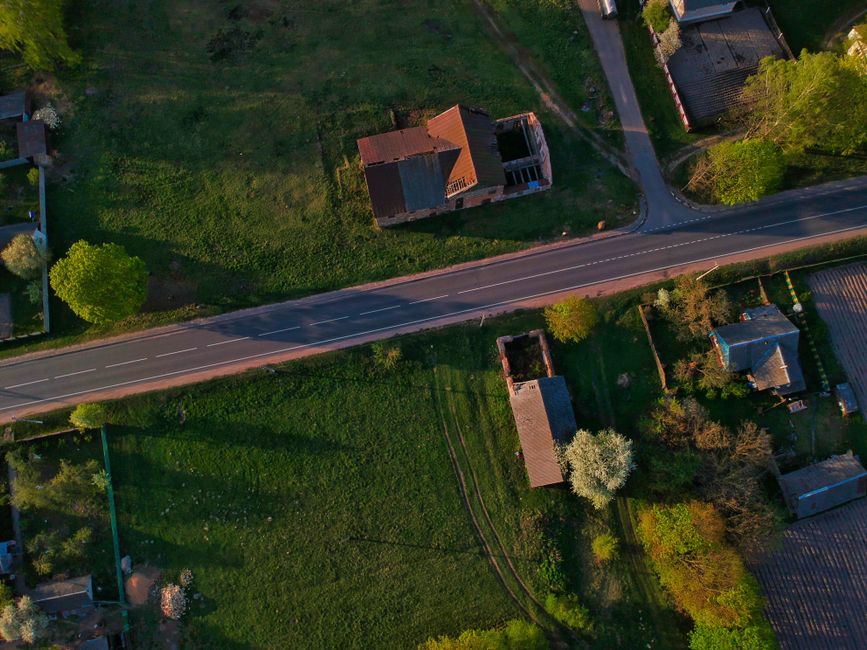
In a significant move aimed at addressing the acute housing shortage in rural America, the U.S. Department of Agriculture (USDA) and the U.S. Department of Housing and Urban Development (HUD) announced a new initiative this week to streamline environmental reviews for federally funded rural housing projects. This collaboration is poised to enhance housing access in rural communities by reducing bureaucratic delays and promoting timely project completions.
The challenges of housing availability in rural areas have long plagued regional economies, particularly in states like Missouri, where housing development has often been stymied by rigorous regulatory frameworks. Environmental reviews, while necessary for ensuring compliance with federal regulations and protecting natural resources, have frequently become bottlenecks that hinder the development of affordable housing projects. The USDA’s and HUD’s new approach aims to reduce these wait times and foster a more efficient path for rural housing development.
Missouri, characterized by its diverse landscapes and a mix of urban and rural communities, stands to benefit significantly from this initiative. The state has grappled with a growing population in its urban centers while simultaneously facing significant housing shortages in rural areas. According to recent data from the Missouri Housing Development Commission, rural housing units have dropped by approximately 30% over the last decade, causing a ripple effect on local economies and populations.
The streamlined review process is especially crucial for rural regions that rely on affordable housing to attract new residents and retain workforce talent. As economies within Missouri and other rural areas shift, there is an urgent need for housing that meets the demands of a modern workforce that values affordability and accessibility. By expediting the federal funding process, Missouri can unlock opportunities for developers to bring new housing projects to market quickly, addressing the needs of both current residents and newcomers.
Moreover, this initiative is likely to create new jobs and bolster local economies by facilitating the construction sector in rural areas. With an increased focus on sustainable development practices, the streamlined process may also incentivize developers to implement eco-friendly building practices, contributing to both environmental conservation and aesthetic improvement of rural landscapes.
Given this context, local housing authorities and developers in Missouri should proactively engage with these regulatory changes to maximize their benefits. Approaching federal funding opportunities in light of this initiative can pave the way for more innovative housing solutions tailored to the unique needs of Missouri’s rural populations.
As the country continues to address the complex issues surrounding housing supply and demand, initiatives such as this demonstrate a commitment to fostering inclusive growth in all regions, particularly in areas that have historically been overlooked. The collaboration between USDA and HUD not only reflects an understanding of the pressing issues at hand but also signals a proactive stance towards building a more equitable housing landscape across America.
In conclusion, Missouri’s rural communities are at a pivotal moment where governmental support and reduced regulatory barriers can potentially reshape the housing market. Stakeholders are encouraged to stay informed of developments resulting from this agreement and explore avenues for partnership that align with the goals of this initiative, ensuring that rural America does not lag behind in the modern housing landscape.