
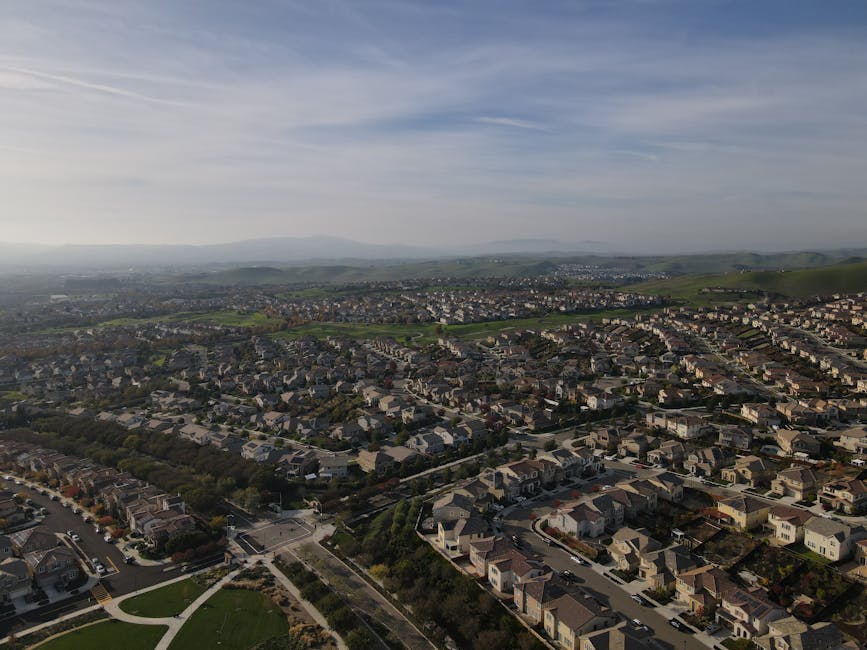
In July 2021, California Governor Gavin Newsom enacted a significant piece of legislation aimed at addressing the state’s persistent housing crisis. By allowing certain apartment and residential projects to bypass the often protracted environmental review processes mandated by the California Environmental Quality Act (CEQA), the government intended to expedite housing production and enhance affordability. However, as developers swiftly mobilized to capitalize on these exemptions, underlying tensions and complexities have emerged within the housing landscape.
The intention behind the law is commendable: California faces an acute housing shortage, with demand consistently outstripping supply. By streamlining the approval process for eligible housing developments, the legislation could theoretically lead to an increase in the number of units coming onto the market, thus alleviating some of the pressure on affordability.
As a result, a surge of new projects has begun to secure exemptions, demonstrating a tangible impact already. Developers are reporting a higher rate of project initiation, and many communities are seeing the promise of revitalized housing stock. However, this rapid acceleration brings with it a host of concerns.
Critics argue that these accelerated timelines may lead to hasty decisions that overlook critical environmental considerations. Communities that traditionally rely on rigorous reviews as a means of voicing concerns may find themselves at a disadvantage, prompting fears that quality and sustainability could be compromised in the rush to produce more housing.
Moreover, the exemption framework has ignited debates about equity and inclusion in housing development. With the potential for existing neighborhoods to undergo swift transformations, stakeholders are voicing anxiety over gentrification and displacement effects—the very issues that exacerbate the affordability crisis in the first place. Neighborhood advocacy groups are keen to ensure that the communities most vulnerable to these outcomes are not sidelined in the name of expediency.
From a market perspective, the current situation invites comparisons to regions beyond California’s borders, including Missouri. Although the housing dynamics differ, the state grapples with similar challenges concerning affordability and supply. Missouri has its own legislative landscape influencing real estate development, characterized by a mix of urban centers and rural areas where housing demand can vary significantly. Similar to California, some Missouri municipalities are contemplating measures to facilitate housing growth, albeit with less systemic urgency.
Emerging solutions could adopt best practices from California’s experience—balancing the need for expeditious housing projects with the necessary checks and balances that ensure environmental safety and community integrity. In Missouri, where housing supply is strained but not as critically so as in California, adopting a tailored approach could yield better results without risking the pitfalls observed in the Golden State.
As CEQA exemptions continue to be tested, industry players and policymakers must weigh the urgent need for new housing against the potential long-term consequences of rushing development. The ongoing struggle between housing demand and environmental stewardship represents a critical crossroads for California—and a cautionary tale for states like Missouri. Striking the right balance will require transparent dialogue, comprehensive planning, and a commitment to inclusive development that serves both immediate housing needs and the enduring health of communities.