
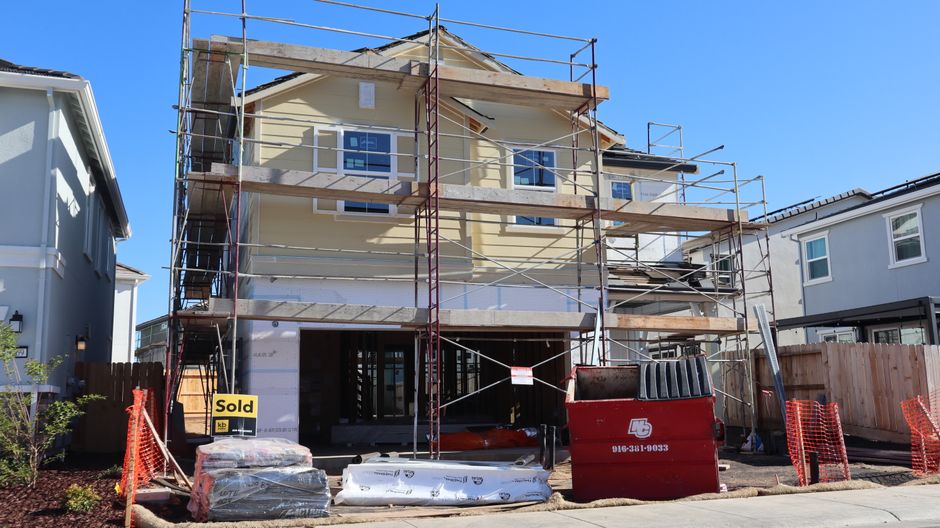
As California lawmakers reconvene after the summer recess, significant attention is set on the condominium construction defect liability legislation, specifically Assembly Bill 1903 (AB 1903). This bill has traversed through various legislative committees and successfully passed the Assembly, but will now face a new round of scrutiny as it heads toward the Senate. Stakeholders across the housing market are closely monitoring this development, as the implications could resonate well beyond California’s borders, particularly for markets like Missouri.
The legislative intent behind AB 1903 is to address longstanding issues related to construction defects in multi-family housing units. California, known for its dense urban environments where condos often serve as primary residences for first-time buyers and retirees alike, has seen an uptick in complaints regarding poor construction quality. Homeowners have frequently cited structural damage, water intrusion, and subpar materials, leading to costly repairs that burden both the residents and the builders.
AB 1903 aims to enhance the legal framework governing liability for such defects, providing clearer guidelines for builders while also protecting the rights of homeowners. If passed, it could lead to more robust quality assurance processes in condominium construction, fostering not only a safer living environment but also instilling greater confidence among potential buyers. Given the critical housing shortage exacerbated by rising costs and inflation, better-built condominiums could contribute to a more sustainable housing market in California.
The implications of this legislation extend beyond the Golden State, particularly for markets such as Missouri, which also faces its own challenges in multi-family housing. Missouri has experienced a rise in construction activity, driving interest in condominium development as an affordable housing solution. However, as developers expand into this sector, they must grapple with concerns over construction quality and defect liability. Lessons learned from California’s AB 1903 legislation could inform Missouri’s approach to similar issues. By proactively addressing potential defects and adopting stringent regulations, Missouri can foster a more resilient condo market, reducing risks for both builders and buyers.
Moreover, stakeholders—including real estate agents, developers, and legal experts—are encouraged to engage in discussions about best practices in condominium construction. The construction industry should take heed of California’s legislative landscape, recognizing that evolving laws could potentially shape their operations. Implementing rigorous design and construction protocols could mitigate litigation risks and enhance reputation in the marketplace.
As AB 1903 makes its way through the Senate, it is crucial for interested parties in both California and Missouri to stay informed and advocate for responsible legislation that balances the interests of builders and homeowners. The outcome of this bill could very well serve as a litmus test for future housing policy across the nation, underscoring the importance of reliable, well-constructed housing as a foundation for community stability.
In conclusion, the upcoming discussions around AB 1903 are pivotal not just for California but for the broader real estate landscape. Addressing condominium construction defects effectively through legislation is a critical step in ensuring quality housing, promoting home ownership, and ultimately nurturing sustainable growth in the real estate market.