
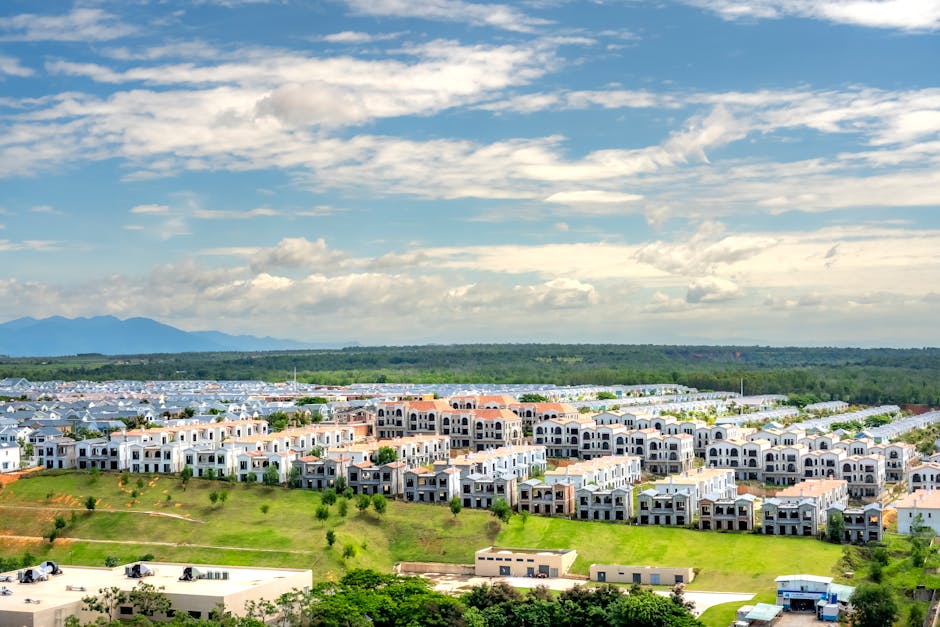
In an era when economic fluctuations and shifting buyer preferences challenge even the most established players, Sunlife Homes has emerged as a beacon of resilience in one of the U.S.’s most competitive residential markets. With a remarkable growth in sales volume of 31.8% in 2025, earning it the 11th position in HousingWire’s prestigious homebuilder growth rankings, the company exemplifies the potential for innovation amid adversity.
Founded in Florida, Sunlife Homes has adeptly navigated a challenging real estate landscape characterized by rising interest rates, supply chain disruptions, and widespread labor shortages. As the company looks ahead to 2026, it reports a solid foundation with 43 closings and 19 pending contracts, underscoring robust demand for its offerings. The successful performance can be largely attributed to a land-light strategy that positions Sunlife for agility in project execution.
This strategy allows Sunlife Homes to minimize upfront land acquisition costs, focusing instead on developing homes in areas with high demand and favorable market conditions. By leveraging existing communities and urban areas where land is limited, Sunlife efficiently reduces its capital expenditure while still meeting the needs of homebuyers. The average cycle time of roughly 95 days for construction completion further enhances the company’s ability to capitalize on market trends and deliver homes swiftly.
The Missouri real estate market presents a particularly compelling case study in contrast to Sunlife’s Florida operations. With a more varied economic landscape, Missouri has its unique challenges, including more temperate demand in rural and suburban markets. However, this also opens up opportunities for innovative builders. While Sunlife has focused its efforts on high-demand areas in Florida, there’s potential for similar land-light strategies to be impactful in Missouri. For instance, targeting urban infill sites in cities like St. Louis or Kansas City could yield significant returns.
Moreover, the emphasis on energy-efficient and sustainable building practices aligns with the growing demand for environmentally conscious housing solutions in Missouri, where buyers increasingly seek homes that reflect their values. Expanding to Missouri could therefore play into national trends, making Sunlife Homes a relevant player in both regions.
In conclusion, Sunlife Homes has showcased what is possible through strategic management, innovative methodologies, and responsiveness to market demands. As it continues its growth trajectory, the lessons drawn from its Florida operations can provide valuable insights for potential expansion into Missouri and beyond, positioning the company as a forward-thinking leader in the evolving landscape of American homebuilding.