
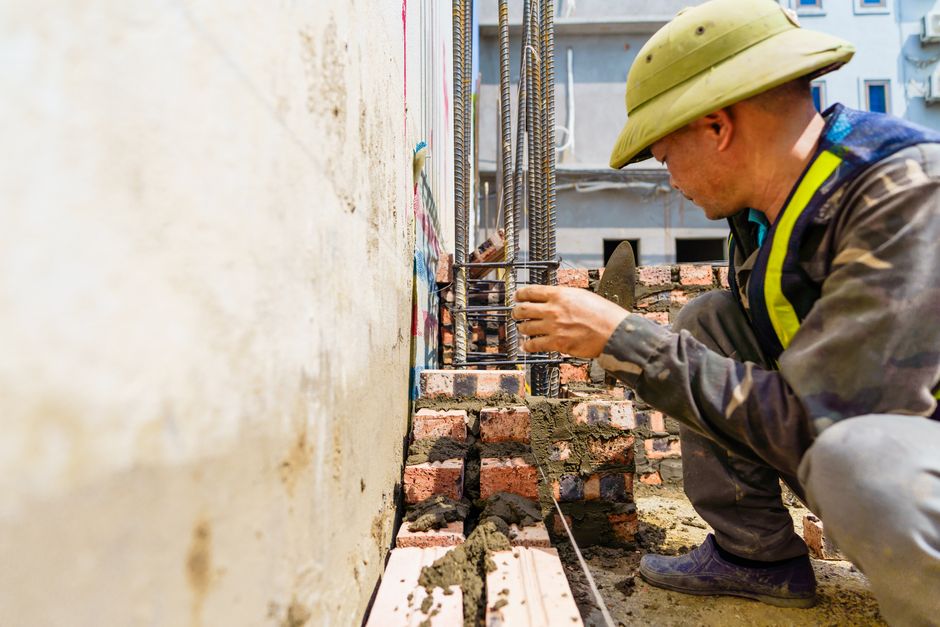
The recent surge in ICE (Immigration and Customs Enforcement) arrests—rising from 32,545 in May to 49,571 in July—has sent shockwaves through the U.S. homebuilding industry. As homebuilders grapple with heightened labor shortages, the repercussions are becoming evident in construction cycle times and bid pricing, ultimately impacting closing dates across various markets, including Missouri.
The construction sector has long depended on a diverse labor pool, with many workers hailing from immigrant backgrounds. The dramatic escalation in ICE operations has intensified fears among laborers, leading to absenteeism and an outright exodus from the industry. In Missouri, where there is a significant reliance on labor-intensive trades such as framing, plumbing, and electrical work, the consequences are particularly stark. Local homebuilders are reporting increased difficulty in securing the manpower necessary to keep projects on track.
As labor shortages become increasingly acute, builders face a compounding set of challenges. Delays are more common, pushing back timelines and, consequently, escalating costs. Homebuilders are witnessing an uptick in bids as contractors are forced to increase prices to account for the enhanced risks and labor scarcity. The ripple effect of these higher costs is pushing some potential buyers out of the market, further straining the already tight supply of affordable housing in regions like St. Louis and Kansas City.
Beyond the on-site challenges, the ramifications extend down the line to financial institutions. Banks and lenders are seeing longer wait times for project approvals and processing delays as builders struggle to meet their timelines. The increased burden on financial resources is contributing to longer lead times for loans, which are becoming increasingly critical in a market where speed can make or break a transaction. For many homebuilders, the combination of elevated costs and lengthened bank lines creates a precarious environment where profitability is at risk.
Moreover, this situation calls into question the sustainability of the current homebuilding model in Missouri and beyond. As delays accumulate, some homebuilders might be forced to reassess their operational strategies, including potential investments in automation or seeking to hire more local labor, which could mitigate some of the impacts from ICE operations.
In sum, the ripple effects of the recent wave of ICE arrests are far-reaching. The increased intensity of enforcement is reshaping the workforce landscape for homebuilders not just in Missouri, but across the nation. The implications go beyond immediate labor shortages, impacting timelines, costs, and financial arrangements. As the industry confronts this new reality, stakeholders will need to adjust their strategies to navigate these turbulent waters more effectively.