
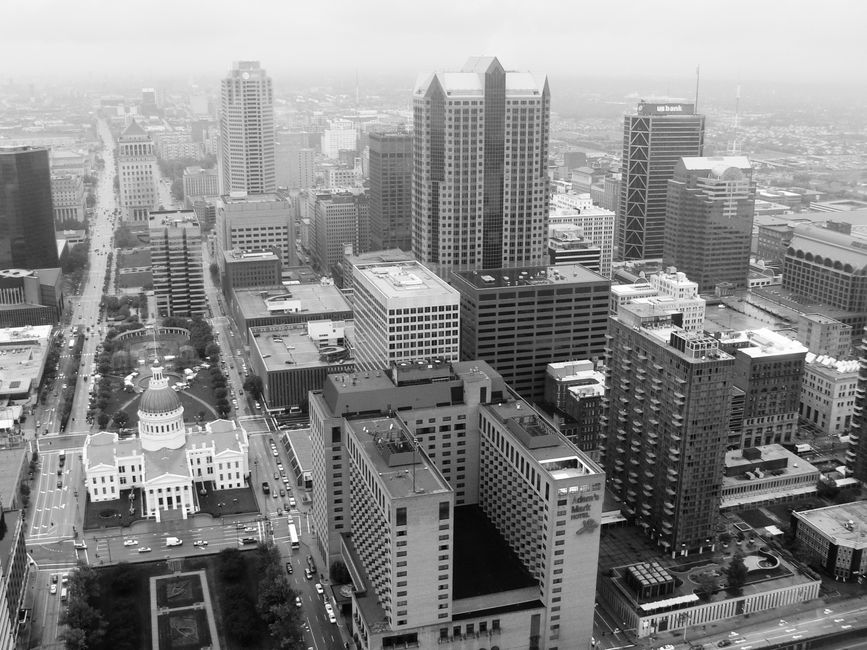
On the evening of August 19, 2026, a small fire broke out at the top of the defunct Millennium Hotel in downtown St. Louis, raising concerns about the future of this iconic property and its implications for the local real estate market. Firefighters responded promptly to extinguish hotspots and assure public safety, but the incident serves as a reminder of the challenges facing vacant properties in urban areas such as St. Louis.
The Millennium Hotel, once a bustling landmark, has seen better days. Its closure has left a significant void in downtown St. Louis, an area that has struggled with economic revitalization efforts over the years. As one of the largest hotels in the region, its absence represents not just a loss of tourism revenue but also hindered potential for job creation in ancillary sectors like hospitality and retail.
From a market analysis perspective, the fire underscores the urgent need for redevelopment strategies for such vacant buildings. Properties like the Millennium Hotel pose risks not only from a structural standpoint but also from a community standpoint. A lack of active use can lead to increased crime and deteriorating local infrastructure, further deterring investment in the area.
Current trends in the Missouri real estate market favor revitalization projects that enhance urban living and boost local economy, yet challenges remain significant. The incident at the Millennium signals both a risk and an opportunity for developers. On one hand, the risk of fire and deterioration could deter investment; on the other hand, it accentuates the necessity for innovative redevelopment plans that can transform outdated properties into vibrant community hubs.
In regions like St. Louis, local government and private stakeholders are increasingly exploring mixed-use developments, aiming to merge residential, commercial, and leisure spaces. Such initiatives can breathe new life into aging structures while generating economic activity. However, it is critical that any redevelopment plan considers the historical significance of properties like the Millennium Hotel, balancing preservation with modernization.
As the St. Louis real estate market evolves, stakeholder engagement, community input, and investment in infrastructure will be paramount. The fire incident serves as a wake-up call for investors, developers, and policymakers alike to reassess the methods by which urban revitalization is achieved, ensuring that safety, sustainability, and community needs are prioritized. The outcome of such strategies will ultimately determine the future landscape of downtown St. Louis and its ability to thrive amid ongoing challenges.