
As the frost begins to coat the landscapes of Missouri and daylight grows shorter, local wildlife engages in diverse, often surprising preparations for winter. This cyclical change not only speaks to the resilience of life in nature but also provides insights that can be paralleled to human behaviors, especially in the realm of real estate and community planning. Understanding these natural preparations can offer profound lessons for residents and developers alike, underscoring a deeper connection to the environment.
### Diverse Strategies in Winter Preparation
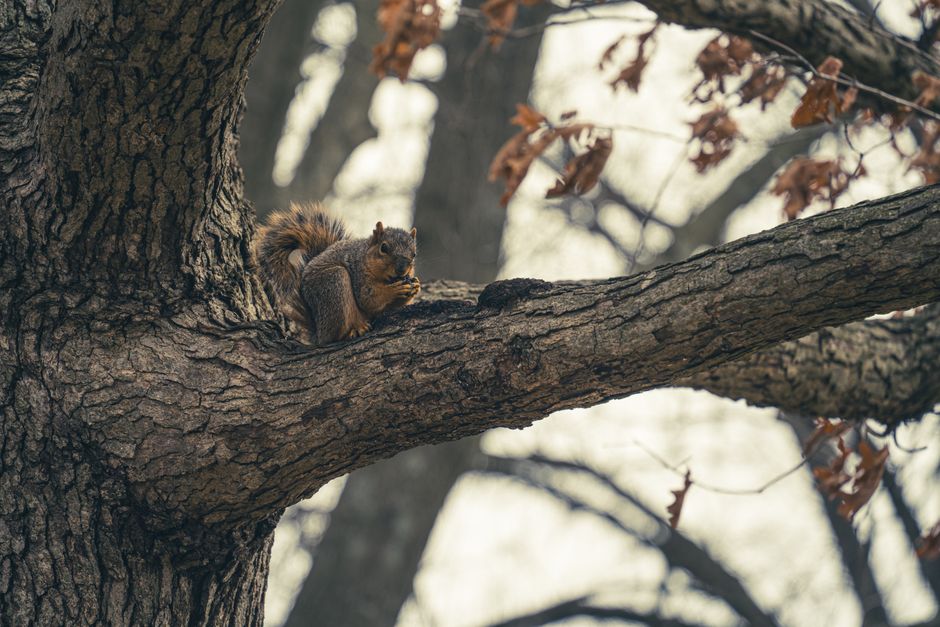
1. **Accumulation of Resources**: Certain species, like squirrels and many birds, are busy gathering and caching food supplies. This behavior, a method of storing resources, mirrors human strategic thinking during economic downturns, highlighting the importance of preparing for uncertainty. As Missouri residents stock up on essentials and invest in resilient infrastructure, understanding this intuitive survival instinct can guide local real estate developers to consider sustainable communities that support self-sufficiency.
2. **Finding Shelter**: Other animals, including deer and rabbits, seek safe havens to weather the cold. They burrow into the ground or seek out dense cover in forests. This instinct for safety correlates to the residential market’s focus on secure neighborhoods and the value of home insulation to withstand harsh winters. With increasing awareness of climate impacts, Missouri homeowners and builders should consider the long-term benefits of energy-efficient designs that minimize reliance on heating.
3. **Hibernation and Migration**: Fascinatingly, some Missouri animals enter states of hibernation or embark on migratory journeys. Bears, for instance, begin to prepare dens, where they will sleep through the colder months, dramatically reducing their activity levels. This behavior can also be seen metaphorically in the housing market, where cyclical trends may prompt some buyers to wait for more favorable conditions before making a purchase. Recognizing seasonal fluctuations can empower potential homeowners to make informed decisions in their real estate endeavors.
### Ecological and Market Relevance
In Missouri, understanding the interconnectedness of animal behaviors and human environments is crucial. As the state embraces conservation and sustainable practices, lessons drawn from wildlife can influence urban planning and development strategies. For instance:
– **Green Spaces**: Projects that integrate wildlife corridors and green spaces can help maintain biodiversity while enhancing community appeal. As animals seek their natural habitats, transformative urban design can foster environments that attract families seeking balance between urban life and nature.
– **Community Awareness Programs**: Educating the community about local wildlife adaptations can cultivate a culture of coexistence. Such programs could be beneficial for real estate agents fostering connections with buyers who value ecological sustainability.
### Conclusion
As Missouri’s wildlife prepares meticulously for winter, so too should residents and developers embrace the lessons presented by nature. The patterns of preparation—accumulation, shelter-seeking, and responses to seasonal changes—serve as reminders of the need for strategic thinking in real estate practices. By aligning housing developments with ecological cycles, we can ensure a harmonious coexistence with our natural surroundings, ultimately enriching both community vitality and market resilience. Keeping these insights in mind, we can pave the way for a sustainable future in Missouri.