
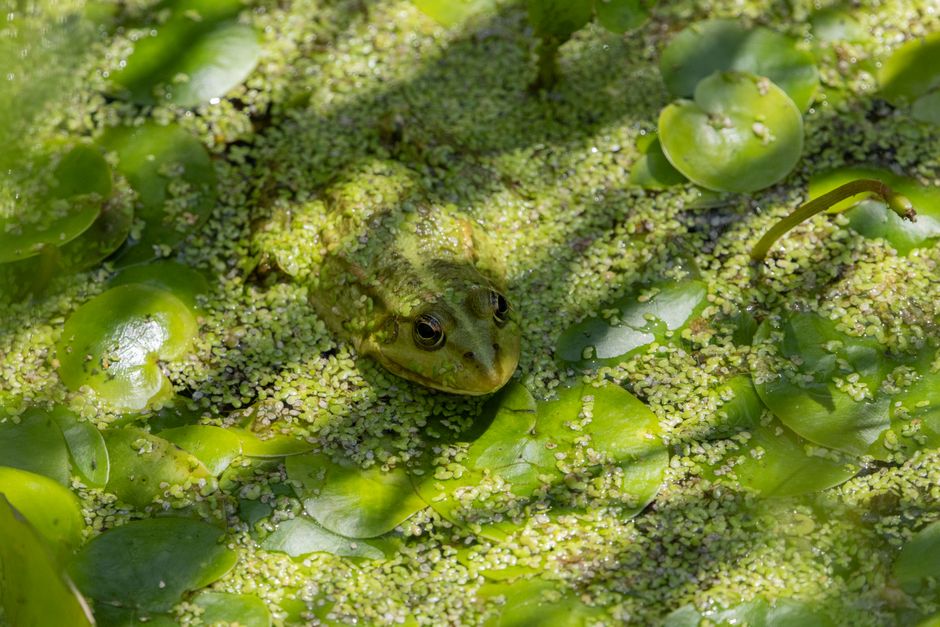
As the warm embrace of summer descends upon Missouri, the state’s residents are drawn outdoors in increasing numbers, experiencing the beauty of nature firsthand. However, this seasonal outdoor activity often leads to encounters with wildlife, particularly with young animals such as birds, rabbits, and raccoons. The Missouri Department of Conservation (MDC) has issued crucial advice for residents, emphasizing that while the instinct to intervene may be strong, the best course of action is often to let nature take its course.
**Understanding Wildlife Behavior**
Missouri is home to a diverse array of wildlife, including deer, coyotes, and a variety of bird species. Many of these animals are particularly active during the summer months, as they search for food and shelter. According to the MDC, it is common to spot young wildlife separated from their parents, and this is often a normal phase in their development. For instance, baby rabbits and fawns are frequently left alone for hours while their mothers forage for food nearby.
Interfering with these animals could lead to unintended consequences, such as causing stress to the parent animals or, in some cases, pet abandonment. This point reemphasizes the MDC’s core message: “The best thing you can do is usually nothing at all.”
**The Economic Impact of Wildlife Conservation**
From a real estate and economic perspective, maintaining a healthy balance with wildlife significantly contributes to the quality of life in Missouri. Properties that offer a connection to nature often have higher market values. Homes near conservation areas or that offer picturesque views of local fauna typically attract buyers who are willing to pay a premium for these features. This symbiotic relationship between wildlife conservation and real estate values underscores the importance of keeping wildlife wild, thus enhancing the overall desirability of properties in Missouri.
**Community Education and Engagement**
The MDC’s guidelines serve not only as a protective measure for wildlife but also as a community education tool. Increasing awareness among residents fosters a sense of responsibility for local ecosystems. By respecting wildlife and understanding its natural behaviors, communities can collectively contribute to healthier environments. Furthermore, local real estate agents and developers can play a vital role in this education by sharing MDC materials during open houses, community events, and neighborhood gatherings.
**Potential Real Estate Trends**
As more Missourians seek to connect with nature, trends in real estate may evolve. Properties that promote sustainability and responsible land use are likely to be increasingly sought after. Homes with native landscaping, that minimize disturbance to local wildlife, could become more appealing to environmentally conscious buyers.
In conclusion, as we enjoy the sunny days of summer, it is imperative to understand and respect the creatures we share our homes with. The insight from the Missouri Department of Conservation is a clarion call for responsible outdoor activities, emphasizing that letting nature take its course is often the best choice. As Missourians continue to embrace outdoor living, the relationship between wildlife preservation and property value will undoubtedly prove beneficial for both nature and the housing market in the Show-Me State.