
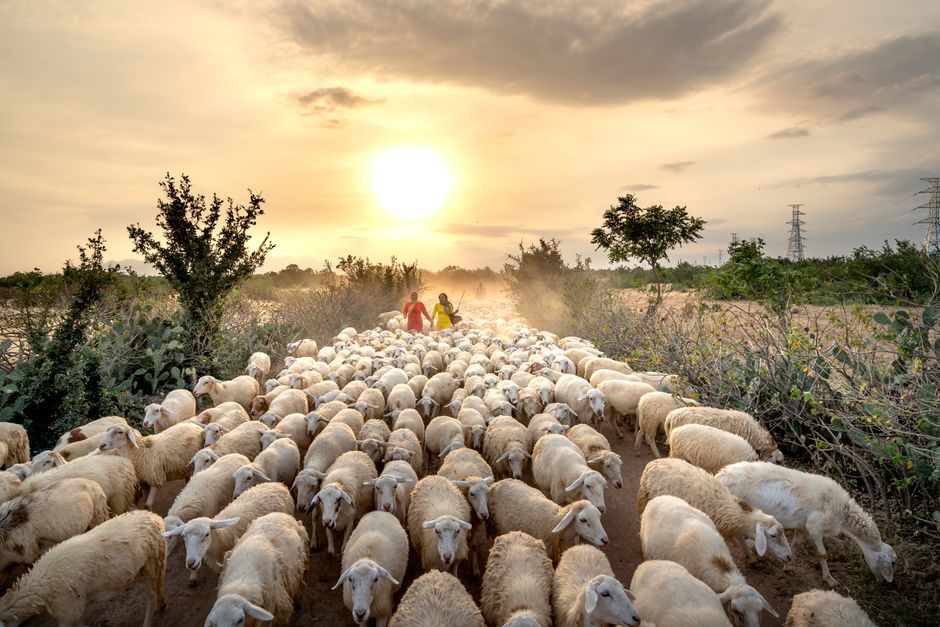
In a heartening showcase of community spirit, Missourians demonstrated their commitment to animal welfare by adopting 70 farm animals within just 24 hours. This remarkable event not only speaks volumes about the compassion of residents in the Show-Me State, but it also highlights the growing relevance of sustainable farming practices and the increasing importance of humane societies in promoting animal adoption.
The Central Missouri Humane Society played a pivotal role in this rapid adoption campaign, with Associate Director Michelle Casey providing insights into the operation. The urgency behind this initiative stemmed from the critical need for homes for these farm animals, which ranged from goats and pigs to chickens and ducks. As urban expansion continues to encroach on rural areas in Missouri, the necessity for safe havens for farm animals increases.
From a real estate perspective, the success of this adoption drive raises intriguing questions about the relationship between land use and animal wellbeing. Missouri, with its diverse agricultural landscape, positions itself at the nexus of traditional farming and urban development. The increase in urban dwellers seeking to adopt farm animals reflects a trend where city residents are recognizing the benefits of small-scale agriculture and companionship through animal husbandry.
This phenomenon has profound implications for the real estate market in Missouri. Homebuyers are increasingly looking for properties with sufficient land to accommodate not just traditional housing needs, but also space for animals, gardens, and other self-sustaining practices. Properties that offer versatility—including extra acreage—are becoming more attractive to potential buyers, as they provide opportunities for implementing sustainable living practices alongside traditional residential use.
Moreover, Michelle Casey’s appearance on the podcast with Cameron Conner serves to highlight the role of education in adoption processes. Prospective adopters are encouraged to consider the responsibilities that come with farm animal ownership, which extends beyond basic care to encompass regulations and zoning laws that might affect their living situations. For real estate agents, understanding these nuances can add significant value to their service offerings, helping clients not only find a home but also guiding them in making informed decisions about animal ownership.
As this story resonates throughout Missouri, it prompts a more profound discussion about land stewardship, community ties, and the future of agriculture in an increasingly urbanized environment. The swift response to the adoption drive signals a growing awareness and willingness among citizens to engage with sustainable practices, which may lead to a rising demand for properties capable of supporting such lifestyles.
In conclusion, the remarkable success of this adoption effort serves as a compelling reminder of the interconnectedness of animal welfare, agriculture, and real estate. As the landscape of Missouri continues to evolve, both residents and real estate professionals will need to adapt and respond to the changing needs of the community—a trend epitomized by the swift adoption of these beloved farm animals.