
In the enchanting landscape of the Ozarks, where rolling hills meet pristine lakes, a unique tradition has persisted through the ages—divining or dowsing, a practice that purports to locate water sources and even unmarked graves through the use of simple metal rods. This ancient skill has deep roots in the culture of the Ozarks and its practice continues to resonate, particularly among local residents who rely on this time-honored method in both agricultural and personal contexts.
Barbara Baird, author of “The Accidental Ozarkian,” has delved into this fascinating subject, shedding light on both the practitioners of this craft and the underlying beliefs that sustain it. The implications of this tradition are particularly significant in a region where access to fresh water is paramount for both farming and domestic use, making the skill of locating underground water not just a quirky pastime but a vital asset for those whose livelihoods depend on it.
**Understanding the Practice**
Divining involves the use of L-shaped metal rods or Y-shaped branches that some claim can detect subtle energies emitted from underground water or historical burial sites. While scientific validation of dowsing remains largely anecdotal, practitioners often report high success rates. In the Ozarks, the use of dowsing is seen as a bridge between the past and present, a skill passed down through generations amidst the backdrop of a region rich in folklore and tradition.
**Missouri’s Unique Landscape and Water Needs**
The Ozarks, spanning southern Missouri and northern Arkansas, is characterized by karst topography—the underlying limestone creates a complex network of caves and underground rivers. This makes the need for reliable water sources particularly pertinent. Winters can be harsh and summers extremely dry, which puts a premium on even the smallest capacity to find and utilize groundwater. Dowsers in Missouri offer services to homeowners, farmers, and land developers, often providing invaluable insight into their land’s hidden resources. It’s not uncommon to hear of a successful well installation inspired by the insights of a dowser, as this tradition continues to mesh with modern needs.
**Cultural Significance**
Beyond its practical applications, the culture surrounding dowsing brings communities together. Local gatherings often bring together those who practice and those who seek out their services, fostering a sense of camaraderie and shared wisdom. Stories of successful finds grace many family gatherings, each tale underscored by a respect for the land and its mysteries.
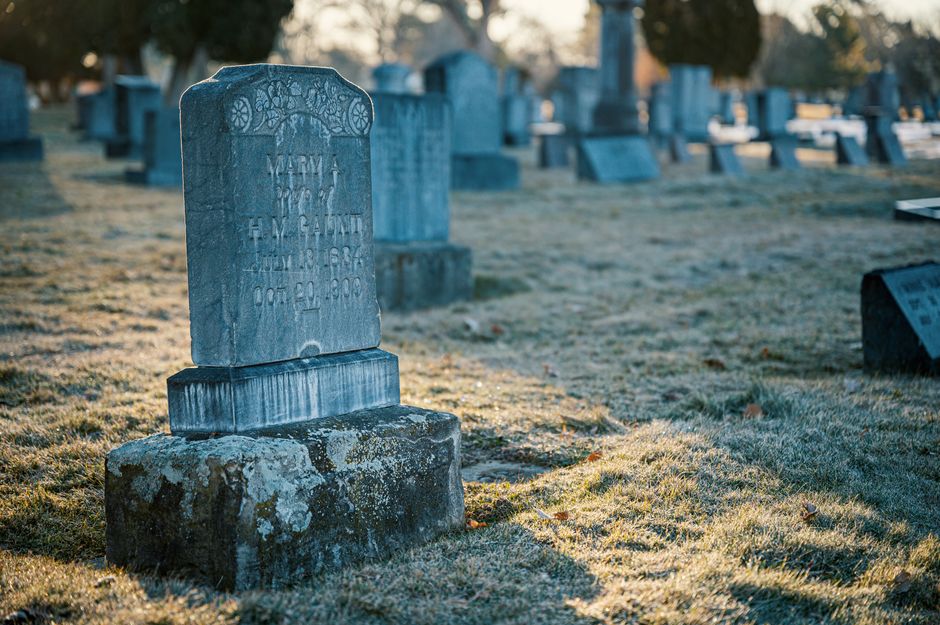
Additionally, the tradition of using divining rods to locate unmarked graves is laden with emotional weight. For families seeking closure or answers about lost loved ones, this practice transcends mere belief; it embodies a quest for connection with the past. In some cases, dowsers are called upon to assist in locating graves of ancestors, adding a layer of historical significance to their work that aligns with Missouri’s rich heritage.
**The Real Estate Perspective**
From a real estate standpoint, knowledge of local dowsing practices can offer agents a competitive edge. As prospective buyers explore properties in rural Missouri, understanding the resources available—including the potential for water sources—can make or break a sale. Traditional methods like dowsing may seem unconventional to some, but in regions where modern technologies don’t always provide clear answers, they remain a practical choice.
As more individuals seek to cultivate land and invest in properties in the Ozarks, recognizing and integrating traditional practices such as dowsing into real estate strategies can yield fruitful outcomes. Furthermore, with the growing interest in sustainable living and self-sufficiency, the significance of accessing underground water sources will only gain importance.
In conclusion, the Ozarks’ tradition of divining water and graves encapsulates a unique blend of cultural heritage and practical necessity. As urban areas continue to expand and demand for resources other than traditional utilities rises, understanding these local customs will become paramount in real estate practices, ensuring that such invaluable knowledge continues to be a part of Missouri’s vibrant cultural tapestry.