
In the heart of the Ozarks, a tradition steeped in folklore and practicality continues to thrive: the practice of divining, or dowsing. This age-old method often employs simple tools, such as metal rods or forked sticks, to locate underground water sources or even to find unmarked graves. As economic development increasingly influences land use in the region, understanding these traditional practices offers valuable insights into both local history and contemporary trends in real estate.
Barbara Baird, the author of ‘The Accidental Ozarkian,’ recently dove deep into this intriguing subject, bringing to light the voices of local practitioners who view dowsing not merely as an art, but as a vital skill honed through generations. In an area where water supply is a perennial concern, the ability to locate groundwater can significantly impact land value and agricultural viability.
The Ozarks, rich in natural resources, present a unique intersection of tradition and real estate dynamics. The region’s topography, characterized by rolling hills and abundant limestone, can make groundwater sourcing challenging. As developers look to build and expand residential or commercial properties, the need for reliable water sources becomes paramount. Dowsers, equipped with their rods, assert that they can pinpoint aquifers that may be invisible to modern technologies.
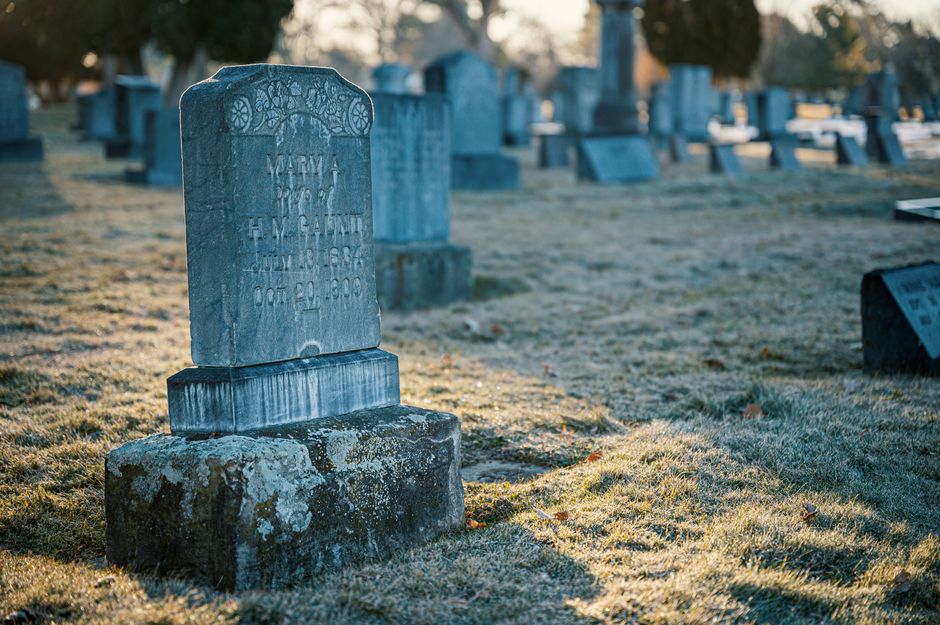
Beyond water sourcing, the practice of dowsing holds cultural significance, particularly regarding unmarked graves. In many rural communities, historical records may be sparse, and the knowledge of burial locations often rests with families and local historians. Dowsing can serve as an essential tool for families seeking closure, as well as for real estate professionals who may be tasked with navigating sensitive property issues related to burial sites.
As the real estate market in Missouri continues to evolve, the confluence of tradition and modernity raises questions about how such practices might integrate into contemporary land development strategies. Understanding the values held by local communities can inform investment decisions and foster collaborative relationships between developers and residents. In Missouri, where a sense of place is often tied closely to local heritage, sensitivity to these traditions could prove beneficial in shaping more thoughtful, adaptive real estate projects.
In conclusion, the Ozarks’ tradition of divining water and graves is more than just an archaic practice; it is a vital thread in the fabric of local history and community identity. As real estate trends continue to transform the region, the insights gained from such traditions might not only enhance our understanding of land usage but also help bridge the gap between tradition and modern development. Acknowledging these practices can enrich the narrative of real estate in Missouri, where the past and present are intricately woven together.