
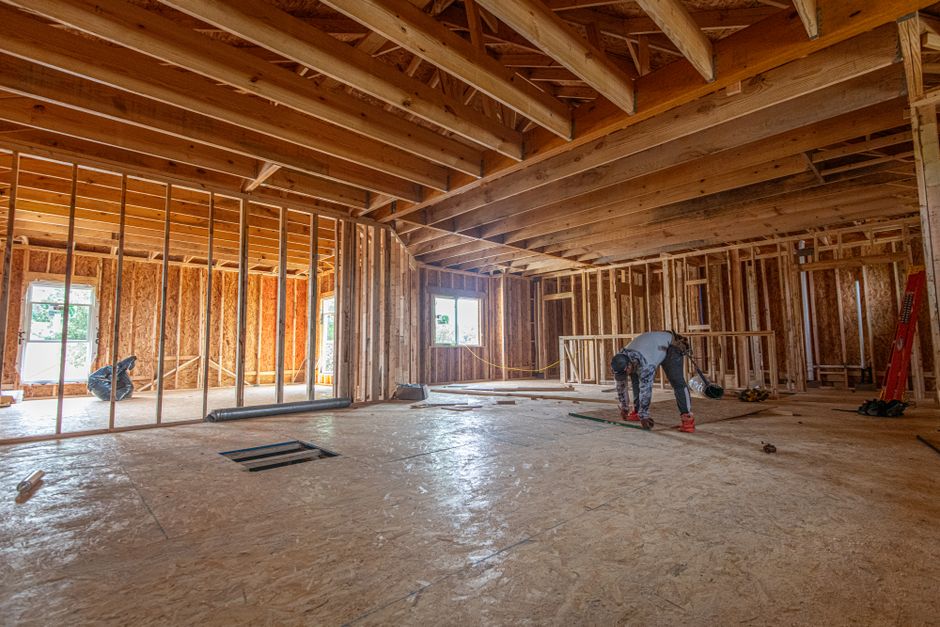
As the real estate landscape encounters sideways demand, homebuilding teams are facing a significant moment of introspection and evaluation. Recent discussions during industry summits have illuminated pathways to convert innate founder intelligence into structured, repeatable systems that can effectively address the nuances of today’s market dynamics. In Missouri, where the housing market has shown mixed signals, the need for streamlined operations has never been more urgent.
Sideways demand, characterized by fluctuating buyer interest amid rising interest rates and economic uncertainties, forces homebuilders to reevaluate their operational efficiencies. In the heartland of the nation, Missouri builders are caught between a rock and a hard place, with demand not falling sharply yet not accelerating as in prior years. This stasis necessitates a reassessment of existing practices and processes.
At a recent housing summit, leaders emphasized the importance of systematic approaches such as effective trade scheduling and precise takeoffs. These processes not only enhance productivity but also allow builders to better manage resources and timelines. In Missouri, where labor shortages and material costs are persistent challenges, refining these operational systems can lead to a competitive advantage. Builders who can leverage technology for trade scheduling can minimize delays and optimize subcontractor engagements, ultimately reducing overall project timelines and costs.
Moreover, the conversations at the summit underscored the significance of data-driven decision-making. By implementing enterprise systems that capture and analyze performance metrics, teams can identify bottlenecks and inefficiencies. Missouri homebuilders can benefit from harnessing technology to facilitate better forecasting, ensuring they adjust to market shifts proactively rather than reactively.
The current real estate environment also presents an opportunity for homebuilding teams to reexamine their market positioning and customer engagement strategies. With buyers becoming increasingly selective, builders must differentiate themselves through innovative designs and sustainable building practices. This is particularly relevant in Missouri’s diverse markets, where suburban growth is accompanied by urban revitalization efforts.
Leadership in the homebuilding sector must champion a culture of continuous improvement, encouraging teams to adopt streamlined processes and focus on scalable operations. The goal is not just to survive during these periods of sideways demand but to emerge stronger and more efficient.
As Missouri builders navigate these uncharted waters, they must draw on foundational knowledge while contemporizing their approaches to meet the demands of a changing marketplace. By fostering a mindset that values systemic improvement and adaptability, Missouri’s homebuilding teams can enhance their operational viability and sustainability, positioning themselves for long-term success even as market conditions fluctuate.