
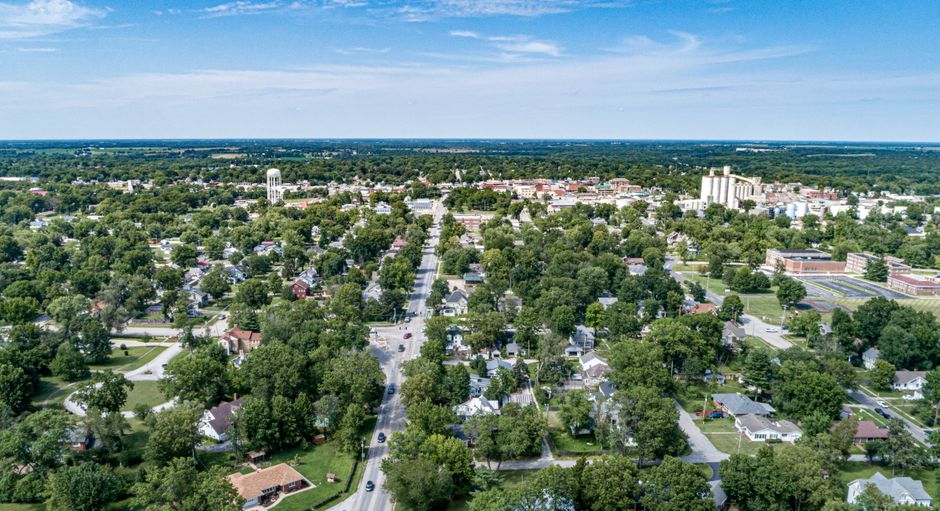
In an era where small towns often face economic challenges, Marble Hill, Missouri, serves as a beacon of resilience and innovation. Central to this renaissance is EC Reed’s, a multifaceted business founded by Christy and Everett Reed. Their venture exemplifies how a single establishment can profoundly influence community dynamics and local economies.
EC Reed’s is not just a business; it is a gathering place that offers a blend of services—lunch, overnight accommodations, unique shopping experiences, and a nostalgic soda fountain. This holistic approach caters to both residents and visitors, driving foot traffic and enhancing community engagement.
In recent interviews, Christy Reed highlighted the importance of creating an inviting atmosphere where people can connect, fostering relations that go beyond simple transactions. This sentiment resonates with the increasing trend of experiential retail, where the consumer experience is prioritized over traditional sales models.
The business’s success has sparked discussions on economic development strategies suitable for small rural towns. Unlike urban centers that often rely on high-density retail, Marble Hill utilizes its strong community identity as a cornerstone for growth. EC Reed’s has not only created jobs but has also stimulated local interest in entrepreneurship, encouraging more small businesses to emerge in the area.
From a real estate perspective, Marble Hill presents a market ripe for investment. The establishment of community-centered businesses like EC Reed’s can have a positive ripple effect on property values. As more residents flock to the area for its vibrant offerings, demand for local housing increases. This leads to the potential for homebuyers and investors to capitalize on a revitalizing market.
In Missouri, where small towns play a vital role in the broader economic landscape, EC Reed’s serves as a case study. The Show Me State has a rich agricultural heritage and a deep sense of community, both of which are amplified by businesses that promote local interaction. By harnessing these strengths, towns like Marble Hill can combat economic decline and ensure sustainability.
Moreover, the focus on community gathering at EC Reed’s dovetails with broader trends emphasizing the importance of social networks and civic participation. Research consistently shows that stronger community ties correlate with better economic outcomes, improved health, and heightened civic engagement. Efforts by local businesses to foster such connections are crucial in building resilient, adaptive communities.
In conclusion, the transformative journey of EC Reed’s in Marble Hill illustrates the significant impact a single business can have on community cohesion and economic vitality. Real estate investors, community leaders, and policymakers should take note of this model as they seek innovative solutions to enhance local economies. By supporting businesses that prioritize community engagement, we may unlock greater potential for growth and sustainability in Missouri’s small towns.