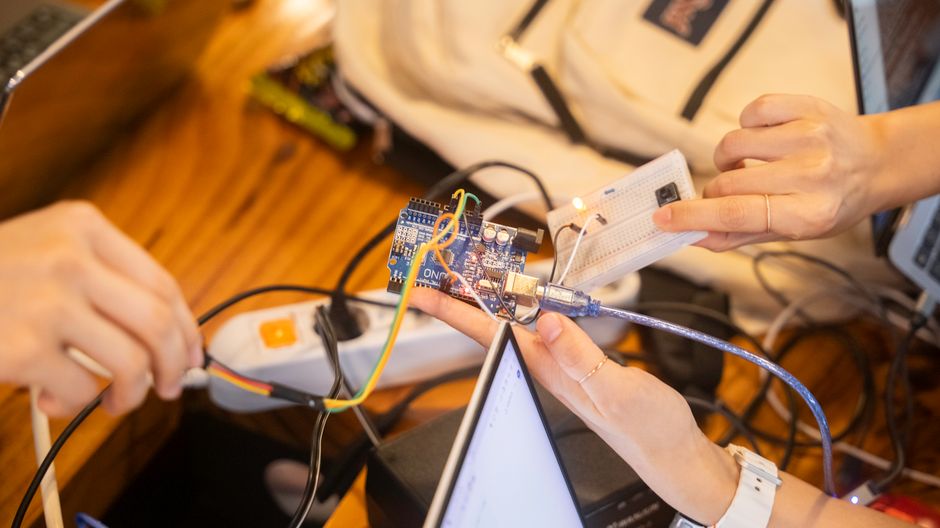
In a remarkable convergence of creativity and pragmatism, the recent Student Hack-A-House event brought together 64 university teams to develop innovative solutions to the multifaceted bottlenecks in the housing industry. Over the course of 24 hours, participants tackled pressing issues ranging from panelized production techniques to optimizing permitting workflows and reimagining financing for manufactured homes. This initiative highlights the urgent need for inventive approaches within the current housing crisis—a challenge that has significant roots in states like Missouri.
The landscape of housing finance, particularly for manufactured homes, remains a pivotal area of concern. Many potential homeowners face obstacles related to high interest rates and lack of accessible financial products suited to the unique nature of manufactured housing. In Missouri, where manufactured homes comprise a crucial component of the housing market, these solutions could drastically improve homebuyer access and ultimately enhance community stability.
Teams at the Hack-A-House event innovatively explored streamlined permitting processes. Often marred by convoluted regulations, the permitting workflow can delay construction projects, driving up costs and limiting housing supply. Missouri’s growth in urban centers, such as St. Louis and Kansas City, underscores the necessity for efficient permitting that can foster a quicker response to housing demand.
Panelized production methods were another focus, with varying teams presenting strategies to shorten the build time while maintaining quality. This method could be vital for states like Missouri, which are grappling with increasing population growth that intensifies housing demand. By leveraging panelized construction, developers can meet regional housing needs more swiftly.
Moreover, the significance of funding solutions cannot be overstated. The challenges surrounding manufactured home financing were a critical point of discussion among participants. With many potential buyers lacking traditional credit histories, novel financing solutions, such as community development financial institutions (CDFIs) or co-op ownership models, emerged as attractive alternatives—especially relevant for lower-income families in Missouri.
The engagement of university students in this Hack-A-House event is not just beneficial for the participants but serves the broader real estate community by injecting fresh ideas and perspectives into an industry burdened by stagnation. As the housing crisis escalates, the work done at this event can inspire stakeholders across Missouri and beyond to adopt innovative practices that emphasize efficiency and accessibility.
Ultimately, the Hack-A-House initiative not only addresses immediate challenges within the housing sector but also signals the importance of collaborative efforts among academic institutions, industry professionals, and local governments. By fostering a culture of innovation, Missouri stands to benefit significantly from new solutions that can pave the way for a more robust housing market suited to all residents, particularly as the demand for affordable housing continues to grow.