
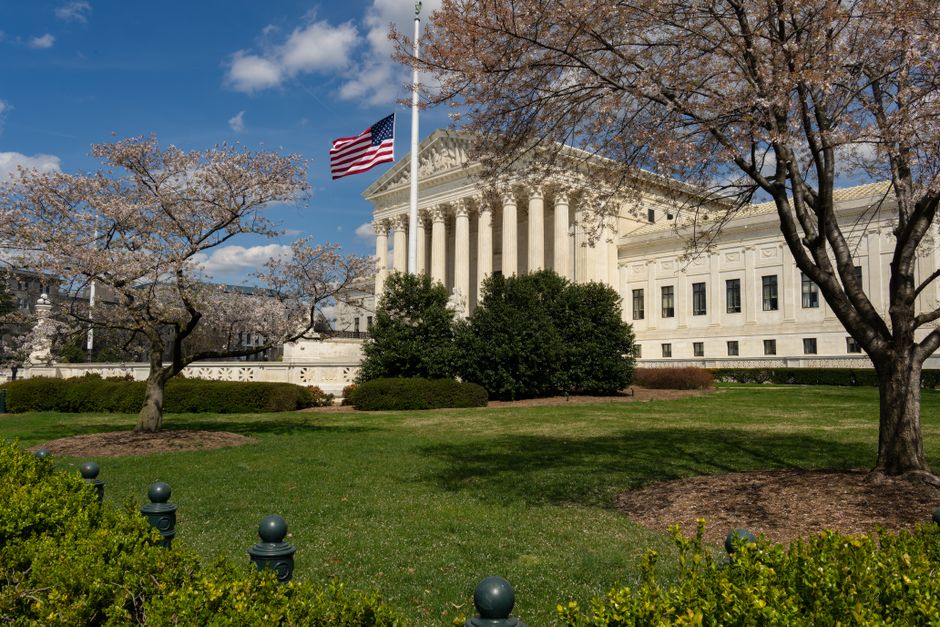
In a significant ruling, the U.S. Supreme Court has upheld a decision from the Missouri Supreme Court, effectively blocking a new congressional map drawn by the state’s Republican legislature in 2025 from appearing on the ballot. This marks the third time the Supreme Court has intervened in this contentious redistricting process, and it carries substantial implications for both political representation and the real estate market in Missouri.
The Supreme Court’s rationale centers around the timing of the election cycle, with just weeks to go before critical midterm elections. The Justices noted that changing the map at this stage could disrupt the electoral process, highlighting the challenges states face during redistricting periods where political agendas and demographic realities collide.
From a real estate perspective, the ramifications of this ruling could be profound. Congressional maps directly affect political power distribution, which in turn influences economic policymaking and investment strategies. Areas that historically sway towards certain parties may see fluctuating property values based on perceived political stability or instability.
In Missouri, the rejected map aimed to reshape districts to favor Republican candidates, a move seen as a reaction to shifting demographics and previous electoral losses. By blocking this map, the Supreme Court preserves the existing district boundaries, likely maintaining representation that aligns with the current electorate. For developers and investors, stability in electoral representation can foster a more predictable economic environment, essential for making long-term investment decisions.
Moreover, the decision serves as a reminder of the intertwined nature of politics and real estate development in urban and suburban markets. Increased scrutiny over redistricting processes may lead to more robust debates about urban planning, resource allocation, and infrastructure investment—issues that are directly relevant to real estate stakeholders.
Missouri’s real estate market is currently navigating post-pandemic recovery, with urban centers and suburban areas witnessing diverging trends in housing demand and pricing. The Supreme Court’s ruling potentially preserves the status quo, which could affect how stakeholders strategize for upcoming development projects. As property values are often influenced by political decisions, investors in Missouri must keep a close watch on electoral outcomes and legislative agendas that could reshape market dynamics.
As a final note, while the immediate implications of the Supreme Court’s decision play out in the electoral arena, the longer-term effects on Missouri’s demographic landscape and real estate trends will warrant continued analysis. Stakeholders must remain vigilant and adaptable in a landscape where political and economic factors are deeply interwoven.